Scientists show overshooting 1.5°C will have devastating impacts on ice sheets, glaciers, permafrost and polar oceans, with deadly repercussions around the globe.
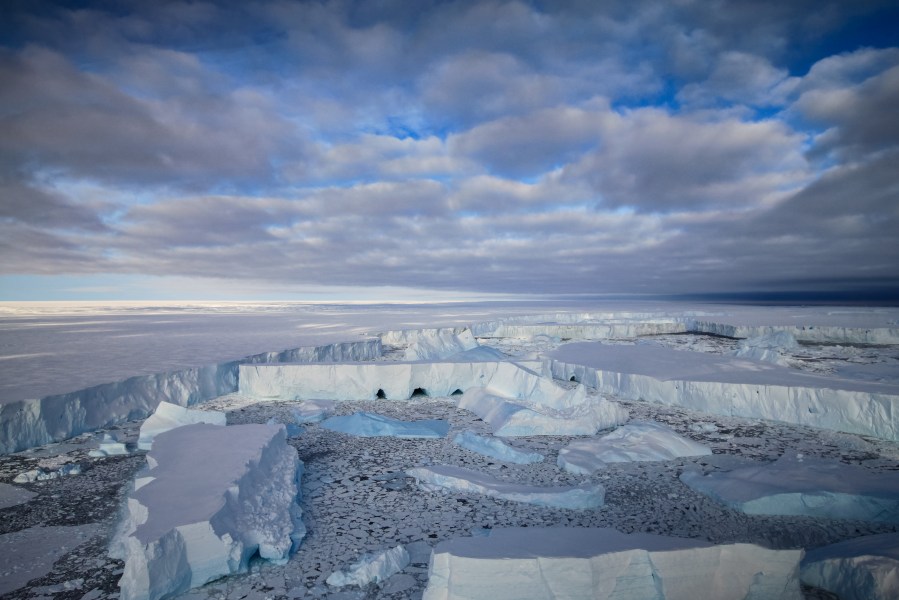
Scientists show overshooting 1.5°C will have devastating impacts on ice sheets, glaciers, permafrost and polar oceans, with deadly repercussions around the globe.
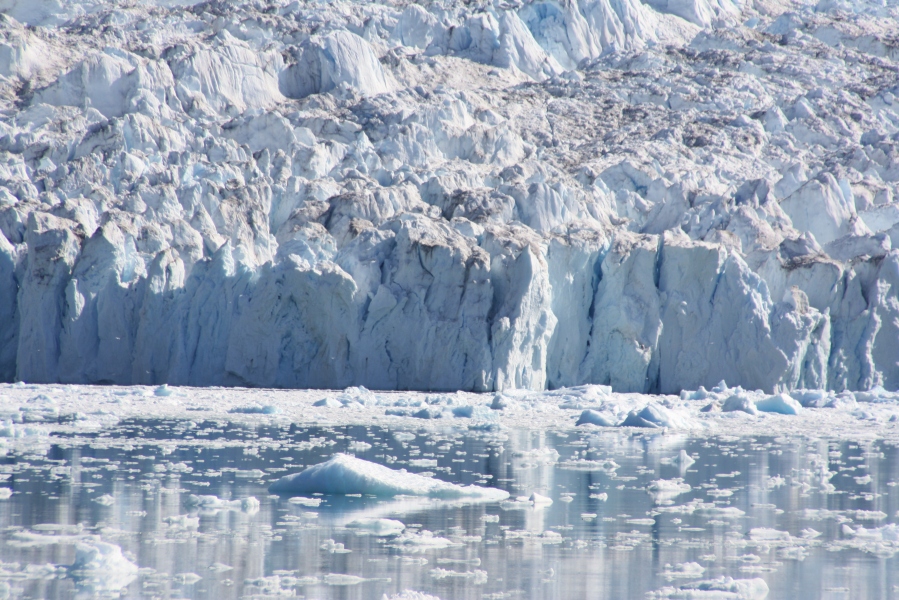
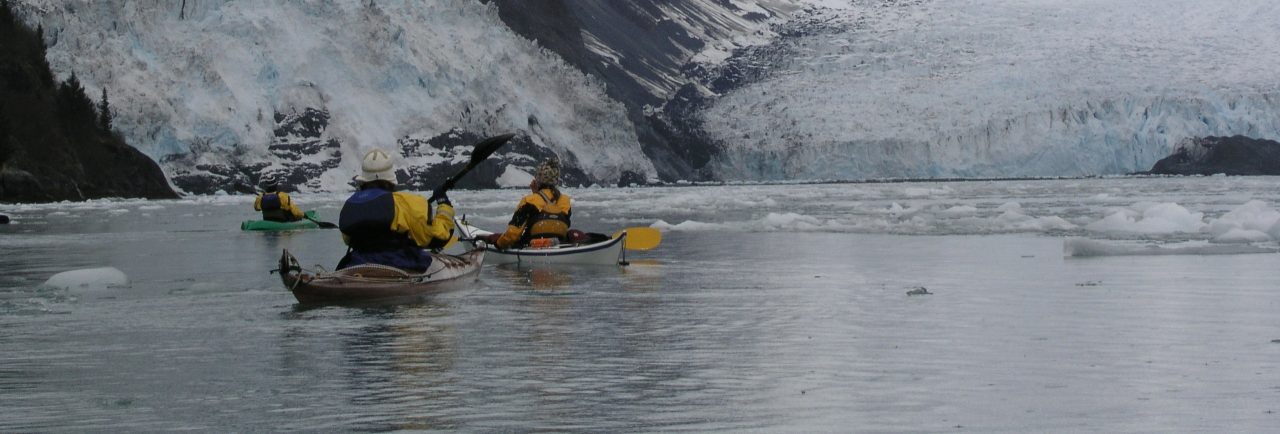
Given the heated times we live in, (in all the senses of the word) it was highly unlikely that this year's State of the Cryosphere Report would bring good news about the impacts of climate warming on our frozen regions. Global ice loss is not letting up any time soon. On the contrary. Ten years after the signing of the Paris Agreement, ice and snow loss is accelerating. If anything should convince the delegates attending COP30 in Brazil of the need for ambitious and urgent action, this latest assessment of the state of our frozen regions should. This is not just about ice and snow. As the Report's title says: Ice Loss = Global Damage.
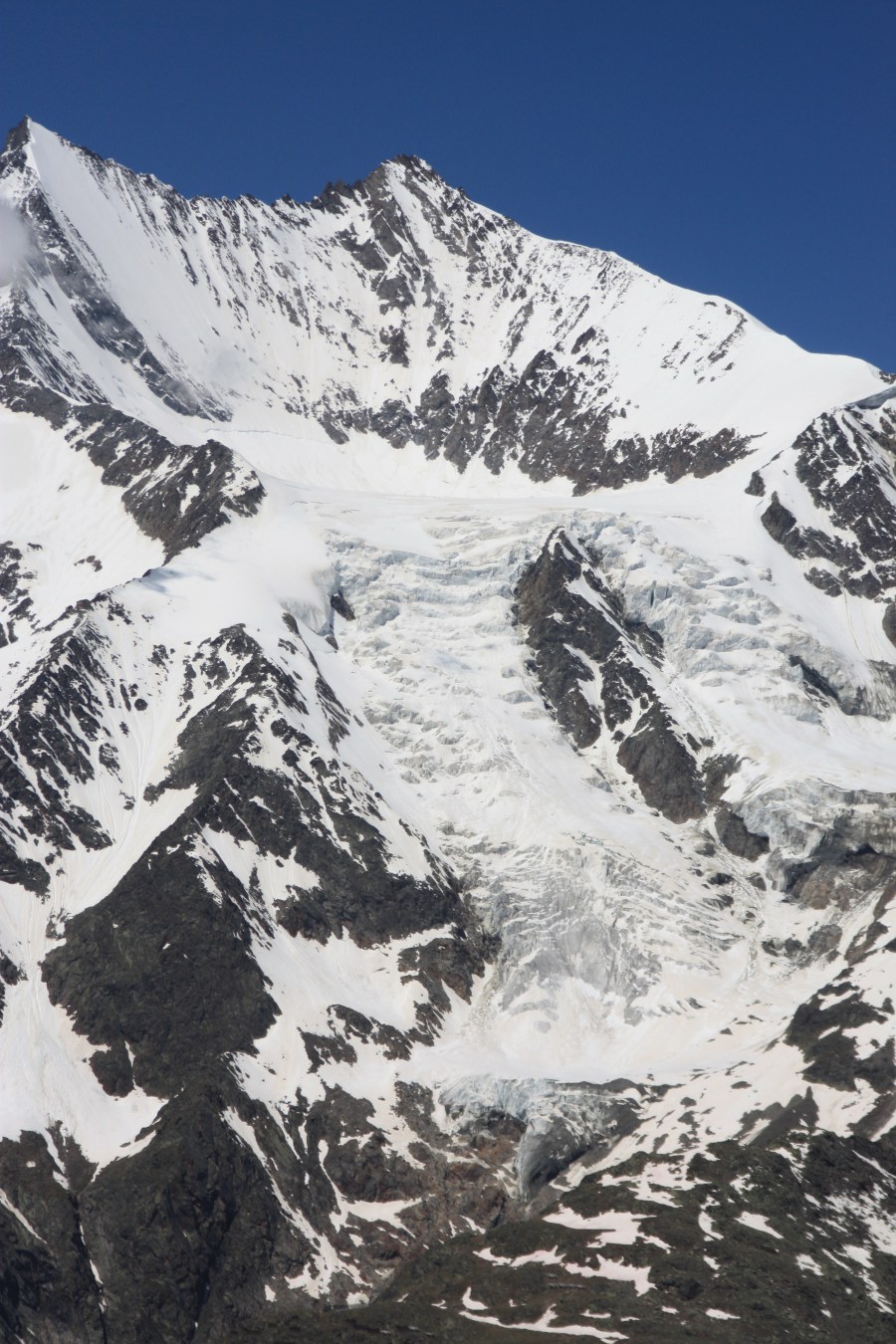
Accelerating ice melt from glaciers worldwide means an increased loss of freshwater resources, ever-faster sea level rise and life-threatening floods and landslides. In some regions, ice loss is already overtaking scientists’ worst-case climate scenarios. Only urgent emissions cuts can make a difference. The first time I ever saw and walked upon a glacier was in …
Continue reading First UN World Day for Glaciers – A call to climate action in desperate times
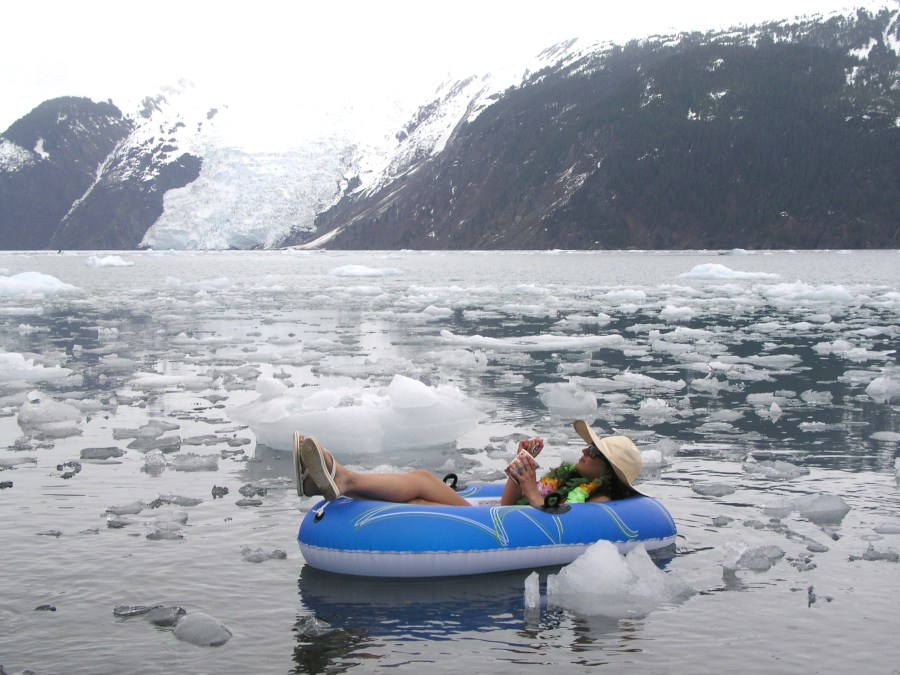
Six months after the last underwhelming UN climate conference COP28 in oil-rich Dubai, negotiators at the UN's climate headquarters in Bonn, Germany, have been trying to smooth the path to the next COP to be held in Baku, Azerbaijan in November. Another mega-gathering in another fossil-fuel capital - is there any hope of action to protect the world's rapidly melting ice and snow and avert the catastrophic consequences for the rest of the globe?

I went to Dubai for the UN Climate Conference COP28 with mixed feelings. On the one hand, the controversy over the location and the President, head of a giant fossil fuel concern, made me somewhat sceptical. On the other, I was driven by the awareness that this was a kind of last chance, with the …
“It's too late to stop Antarctic ice melt.” But “the Greenland ice sheet might be more resistant to warming than we thought”, according to various recent studies. So should we stop worrying? Or give up on climate action? As we speed towards this year's UN Climate Conference COP28, to be held in – of all places - oil-rich Dubai, while wars in the Middle East and in Ukraine are distracting attention from the planet-threatening climate crisis, what we need is not complacency or resignation but a heightened sense of urgency.
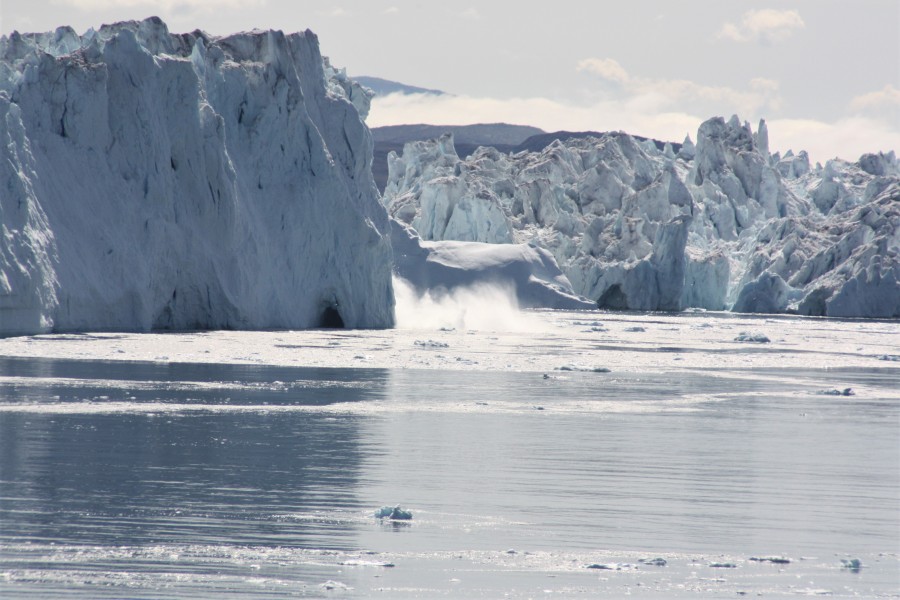
Top scientists working on the Greenland ice sheet and Arctic climate change issued an urgent message. The ice sheets in Greenland and Antarctica are melting faster than ever, with catastrophic implications for global sea level and the world's weather – and only rapid and substantial action can slow the pace.
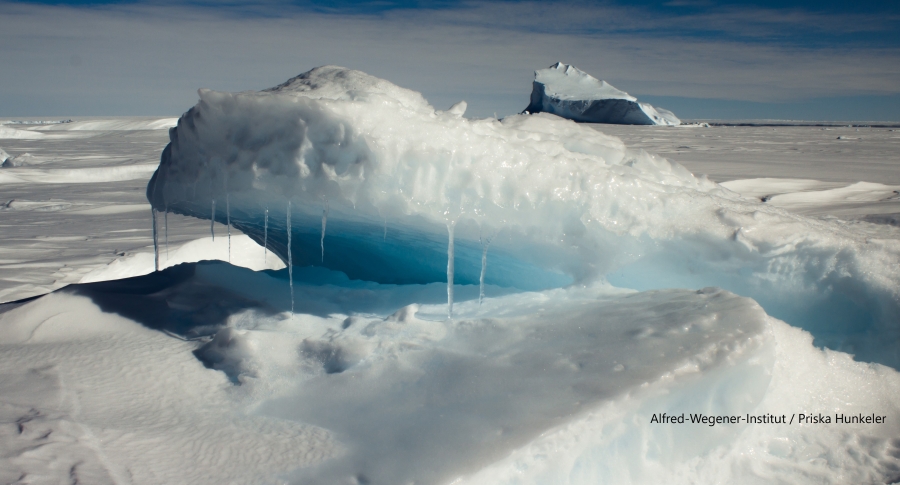
Scientists find ancient Antarctic ice melt could happen again, raising sea levels by three metres. During my first trip to Australia back in 1990, in the days when we had no mobiles and travellers had to queue up outside a telephone box, a breath of chilly air (by Australian winter standards) prompted a local next …
Continue reading A warm breeze coming up from the pole? What’s going on in Antarctica?

