Scientists show overshooting 1.5°C will have devastating impacts on ice sheets, glaciers, permafrost and polar oceans, with deadly repercussions around the globe.
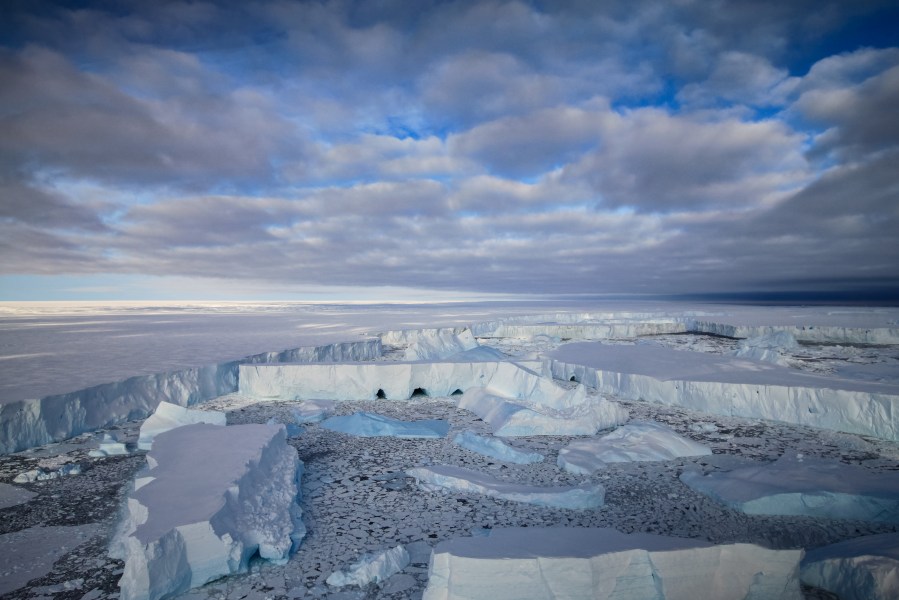
Scientists show overshooting 1.5°C will have devastating impacts on ice sheets, glaciers, permafrost and polar oceans, with deadly repercussions around the globe.
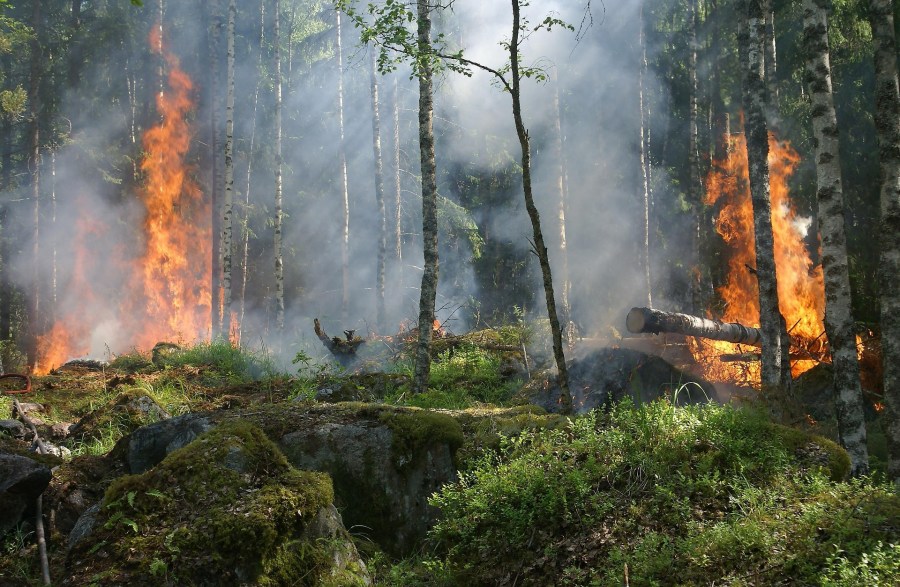
In Europe and other hitherto little affected parts of the world, we are currently experiencing some devastating impacts of climate warming. The world is set to overshoot the 1.5°C upper limit, with emissions still on the rise. While we adapt to the life-changing impacts we can no longer avoid after decades of missed opportunities, will this wake-up call speed up the end of fossil fuels and the shift to a low-carbon economy?

As the European State of the Climate Report confirms the Arctic is the fastest warming place on Earth and Europe the fastest-warming continent, the US war on Iran has shown the danger of dependency on fossil fuels while a “coalition of the willing”conference in Colombia is pushing the green energy transition ahead.
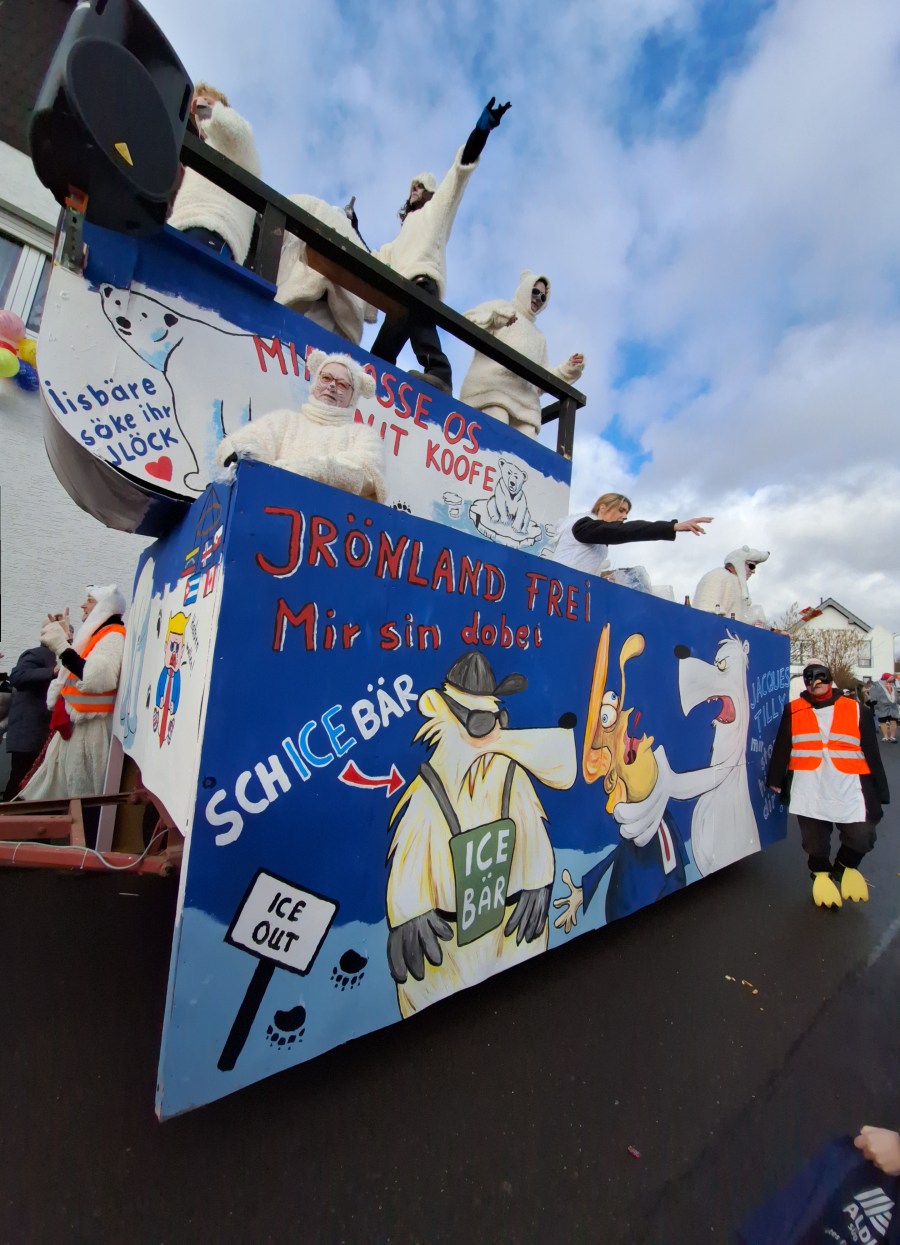
Geopolitical posturing and resource-grabbing: Trump is distracting from the real Greenland problem, as climate warming melts the ice, raising sea levels and disrupting ocean currents and weather patterns across the globe.
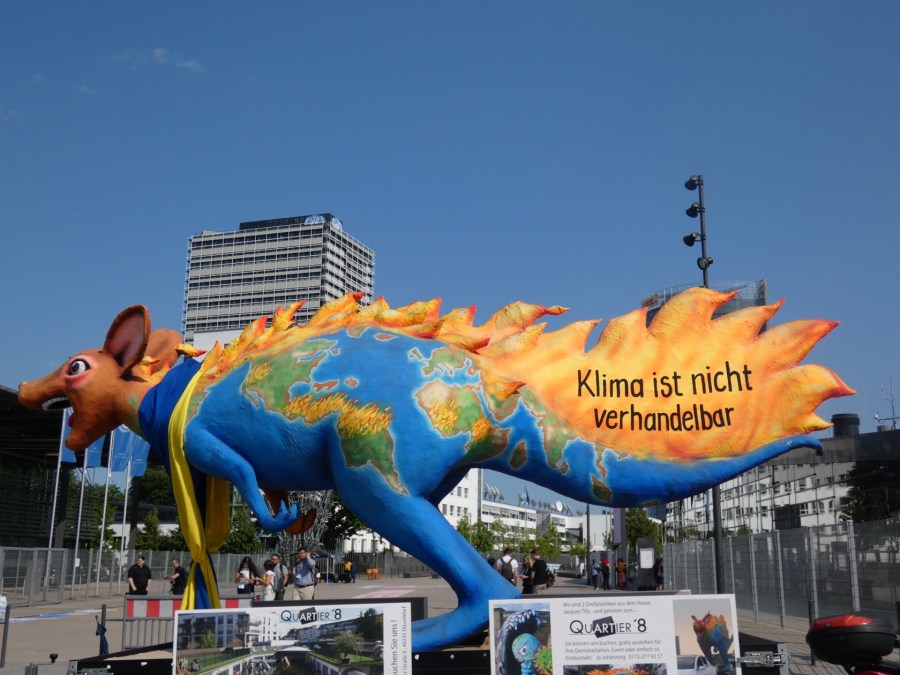
COP30 in Brazil ended without a mention of the need to phase out fossil fuels, in spite of growing damage from climate warming impacts. These UN negotiations have to be reshaped, the influence of the fossil fuel industry reduced while the transition to a low-carbon world speeds on elsewhere.
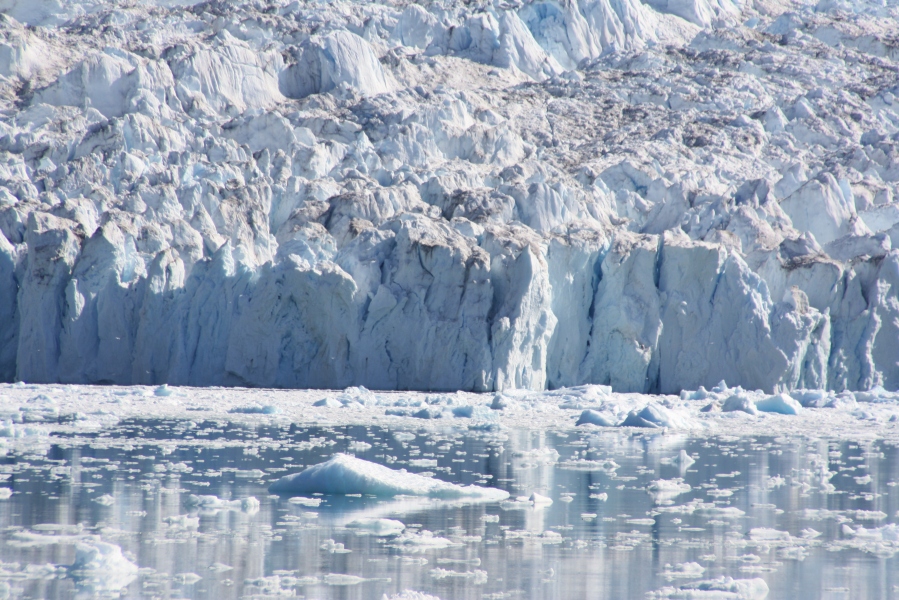
Given the heated times we live in, (in all the senses of the word) it was highly unlikely that this year's State of the Cryosphere Report would bring good news about the impacts of climate warming on our frozen regions. Global ice loss is not letting up any time soon. On the contrary. Ten years after the signing of the Paris Agreement, ice and snow loss is accelerating. If anything should convince the delegates attending COP30 in Brazil of the need for ambitious and urgent action, this latest assessment of the state of our frozen regions should. This is not just about ice and snow. As the Report's title says: Ice Loss = Global Damage.

As world leaders head for Brazil to focus on climate change, it is time for realism, pragmatism - and maybe even a little optimism, in spite of it all. It's that time of year again. The annual UN climate extravaganza comes around as regularly as Christmas. We're coming towards the turn of the year. It`s …
Continue reading COP30 in Brazil: Same procedure as every year? I hope not
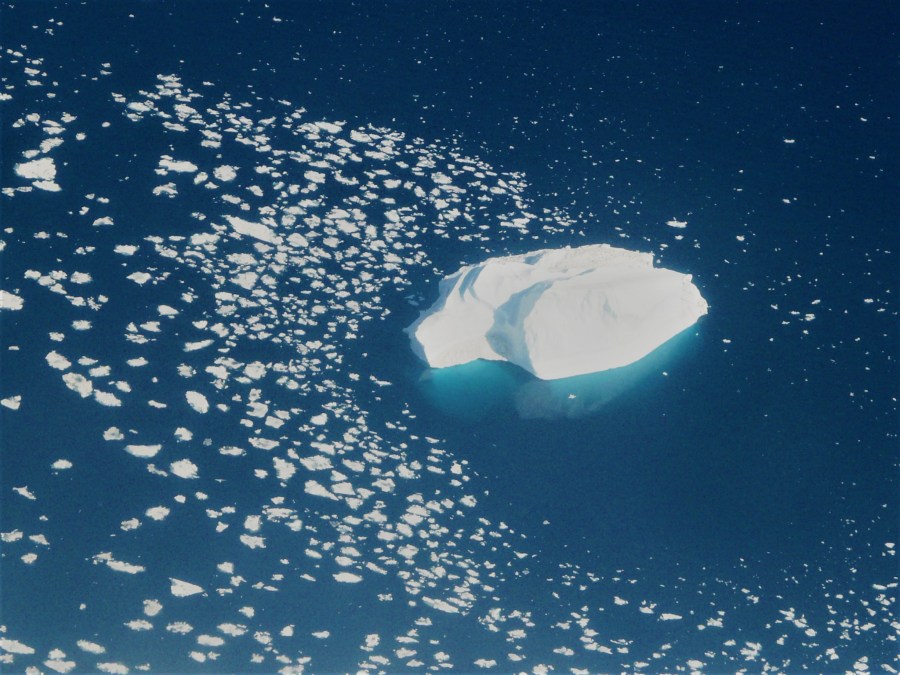
The polar regions are undergoing alarming climate changes, particularly in Antarctica, where ice loss is accelerating. A study warns that geoengineering solutions are unlikely to be effective, distracting from essential emission reduction efforts. Immediate, evidence-based actions are necessary to combat climate change and achieve net-zero emissions to stabilize global temperatures.

Whether you look at science or news reports of weather extremes across the globe, there can be no doubt climate warming is already playing havoc with our livels. So why is the willingness to do something about it decreasing? How can we bridge the huge gap between the threat we face from climate change and the lack of action to respond?

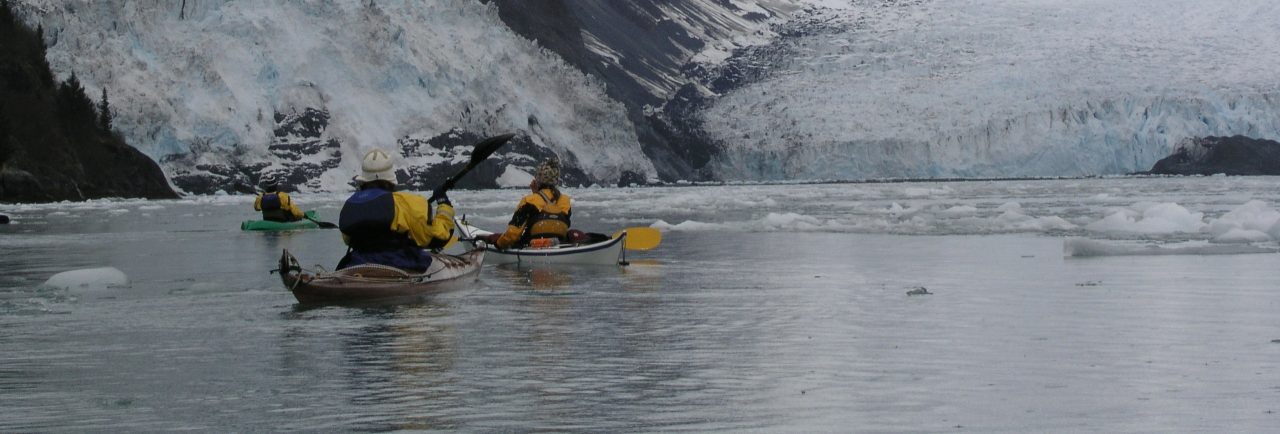
The shocking images of a glacier breaking off and covering a village in the Swiss alps highlights the urgent need to cut greenhouse gas emissions to minimize ice loss. As the first ever UN conference on glaciers opens in Dushanbe, Tajikistan, a new scientific study shows glaciers are even more sensitive to global warming than we thought.

