Scientists show overshooting 1.5°C will have devastating impacts on ice sheets, glaciers, permafrost and polar oceans, with deadly repercussions around the globe.
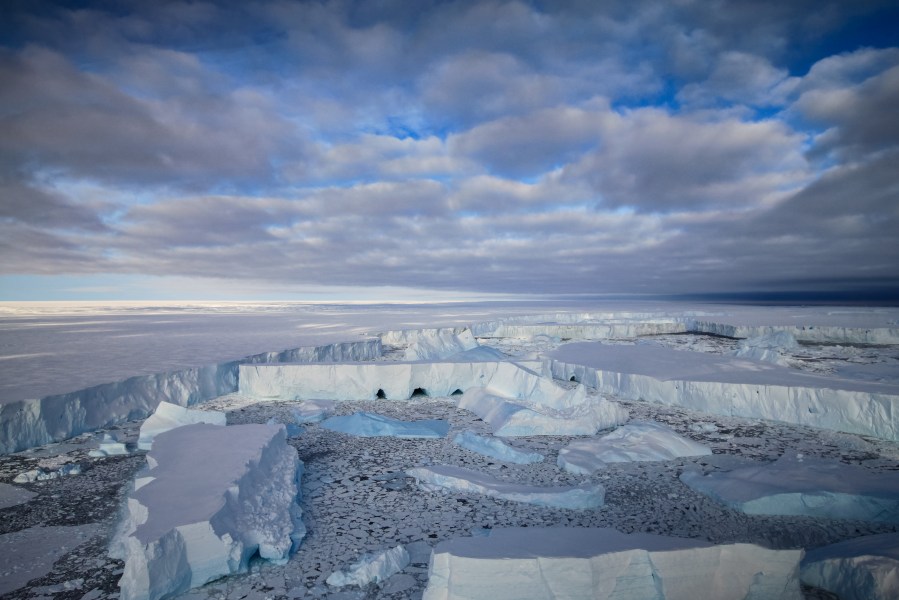
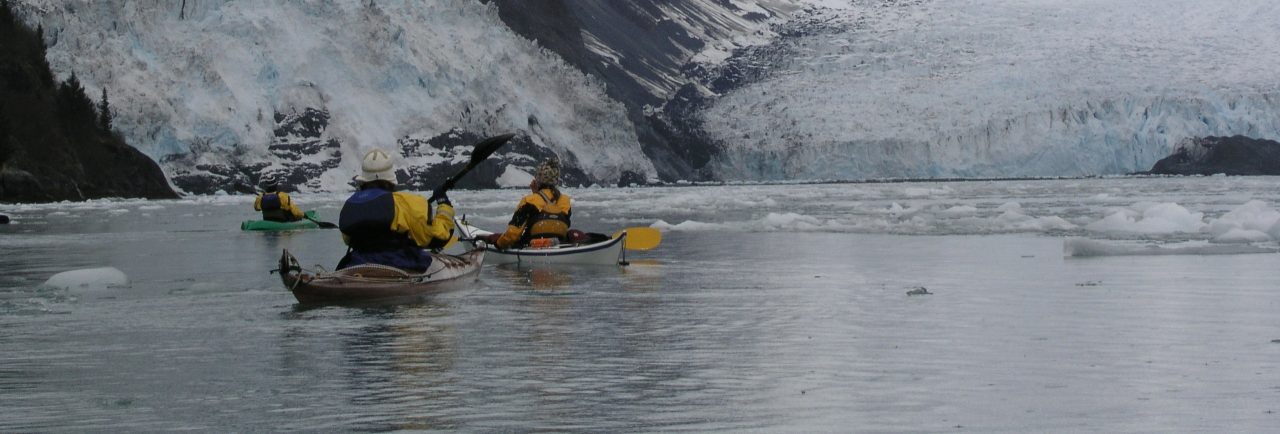
Scientists show overshooting 1.5°C will have devastating impacts on ice sheets, glaciers, permafrost and polar oceans, with deadly repercussions around the globe.

There is no separating environment and climate. This June 5th, World Environment Day, we acknowledge that the changes we have made – and go on making – to our climate are having devastating effects on the environment. Protecting the climate is protecting the environment – and keeping our planet liveable. If we don't halt runaway climate change and reverse the warming trend, a lot of us may not be around to worry about the rest.
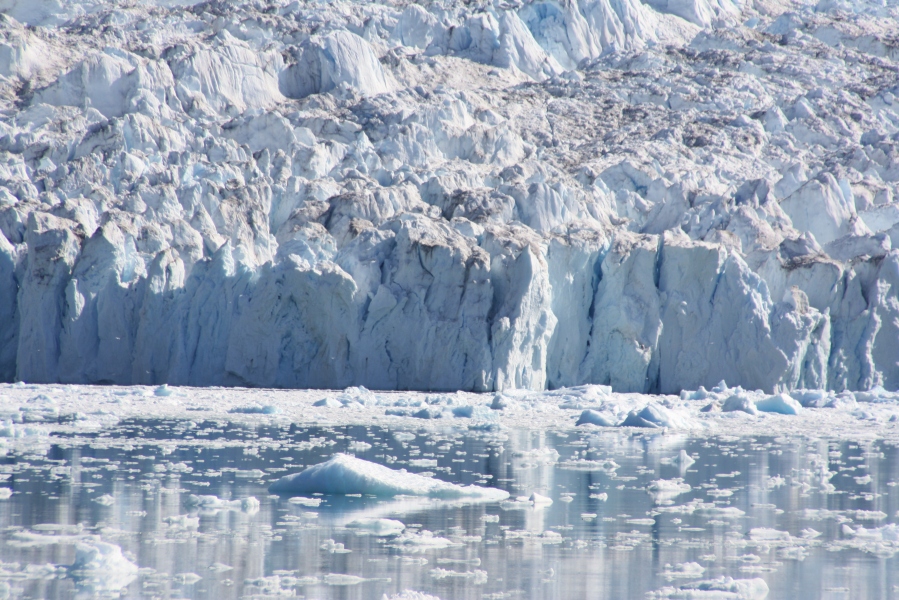
Given the heated times we live in, (in all the senses of the word) it was highly unlikely that this year's State of the Cryosphere Report would bring good news about the impacts of climate warming on our frozen regions. Global ice loss is not letting up any time soon. On the contrary. Ten years after the signing of the Paris Agreement, ice and snow loss is accelerating. If anything should convince the delegates attending COP30 in Brazil of the need for ambitious and urgent action, this latest assessment of the state of our frozen regions should. This is not just about ice and snow. As the Report's title says: Ice Loss = Global Damage.
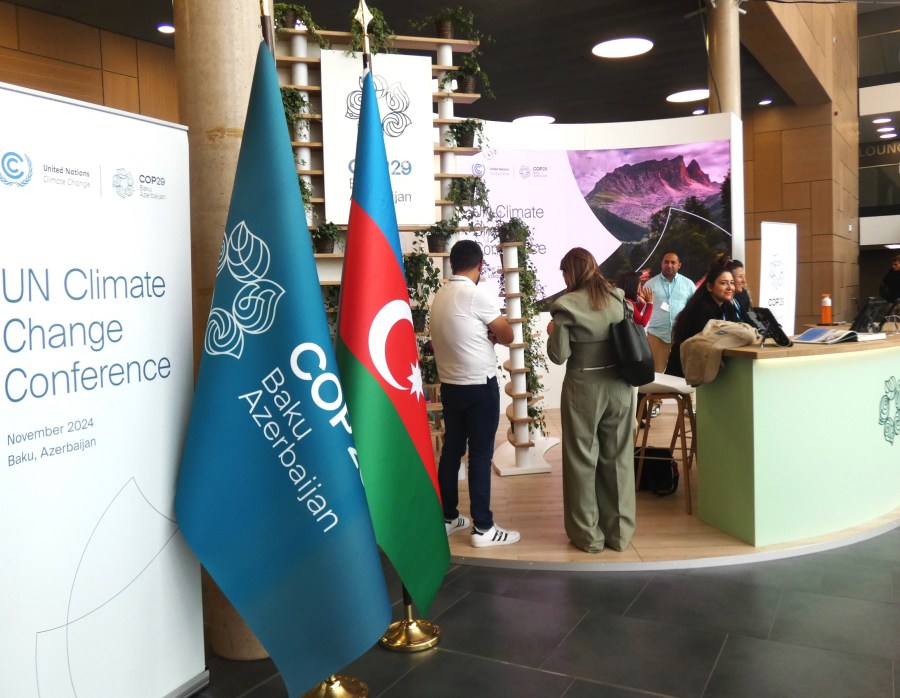
With record-breaking heat, unprecedented ice melt and widespread wildfires destroying the Arctic as we know it, eyes turn to the next UN climate conference in distant Azerbaijan. Can the world agree on urgent emissions cuts and climate justice in an authoritarian-ruled petrostate?
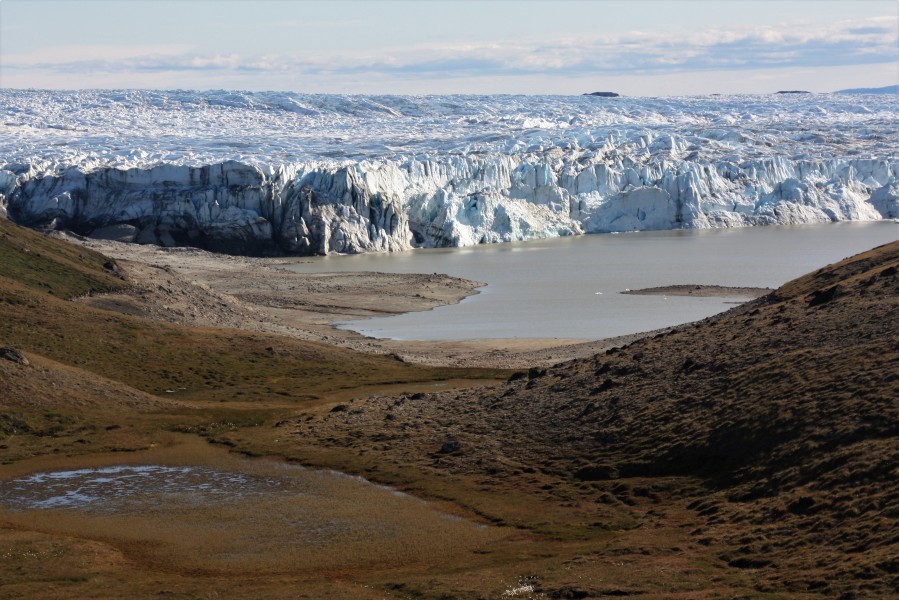
Greenland melt, ocean heatwaves, AMOC slowing, polar bears starving - Arctic developments so far in 2024 might give you the Climate Blues. Is there light on the horizon?
“It's too late to stop Antarctic ice melt.” But “the Greenland ice sheet might be more resistant to warming than we thought”, according to various recent studies. So should we stop worrying? Or give up on climate action? As we speed towards this year's UN Climate Conference COP28, to be held in – of all places - oil-rich Dubai, while wars in the Middle East and in Ukraine are distracting attention from the planet-threatening climate crisis, what we need is not complacency or resignation but a heightened sense of urgency.
2022 has seen exceptional warmth and ice melt in the Arctic, with consequences for the whole planet. But against the background of Russia's war on Ukraine, climate action has stalled. It's high time to cut emissions and speed up the energy transition.
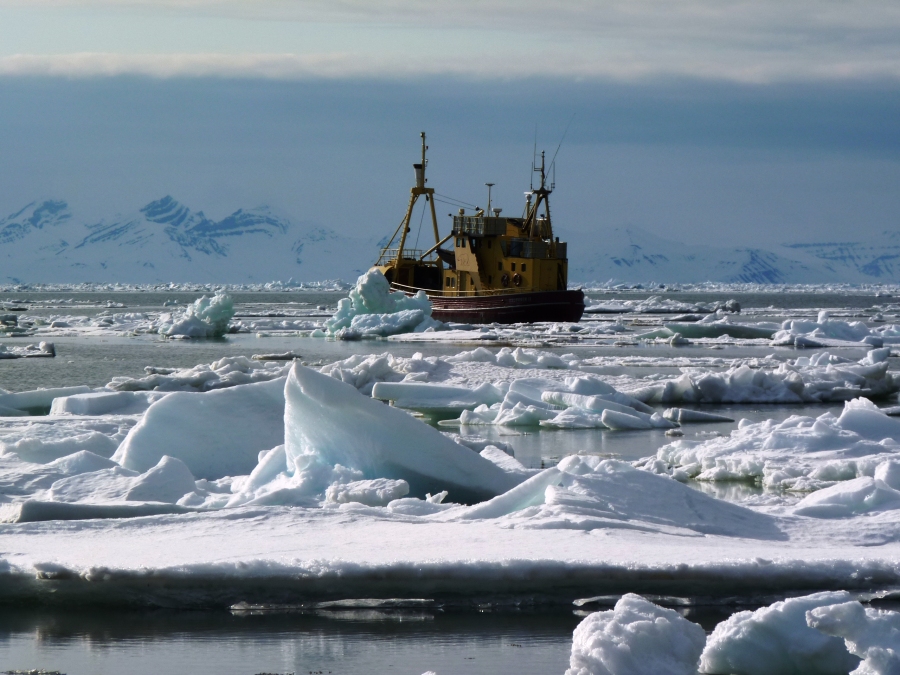
The latest figures from the NSIDC do not make happy reading. The Arctic sea ice extent averaged for October 2019 was 5.66 million square kilometers (2.19 million square miles), the lowest in the 41-year continuous satellite record. The experts tell us this was 230,000 square kilometers (88,800 square miles) below that observed in 2012—the previous …
Continue reading Arctic sea ice record low. Can we communicate our way out of climate paralysis?

Since my first experiences of hiking in the Alps in the 1970s, I have had a fascination for ice, snow and sky. Later, as an environment journalist with Deutsche Welle, I had my first opportunity to visit the Arctic in 2007. It was the start of the international polar year and Moira Rankine of Soundprint …
Melting ever-faster: the Greenland ice sheet (Pic: Irene Quaile) Changing Arctic, Changing World This is a continuation of the Ice Blog. My fascination with the Arctic started back in 2007, when I was invited to join an international radio project to cover the International Polar Year. It was the beginning of a love affair and …

