Scientists show overshooting 1.5°C will have devastating impacts on ice sheets, glaciers, permafrost and polar oceans, with deadly repercussions around the globe.
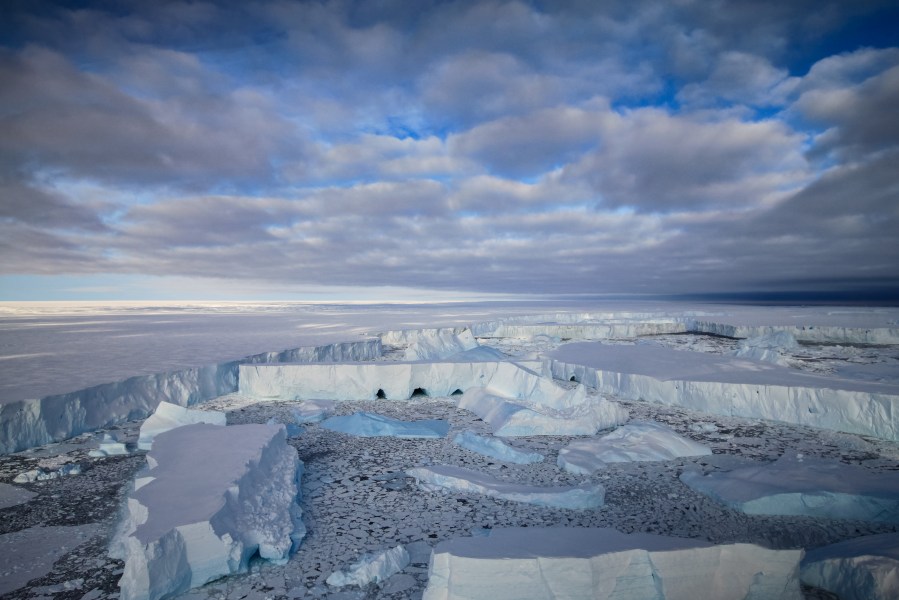
Scientists show overshooting 1.5°C will have devastating impacts on ice sheets, glaciers, permafrost and polar oceans, with deadly repercussions around the globe.
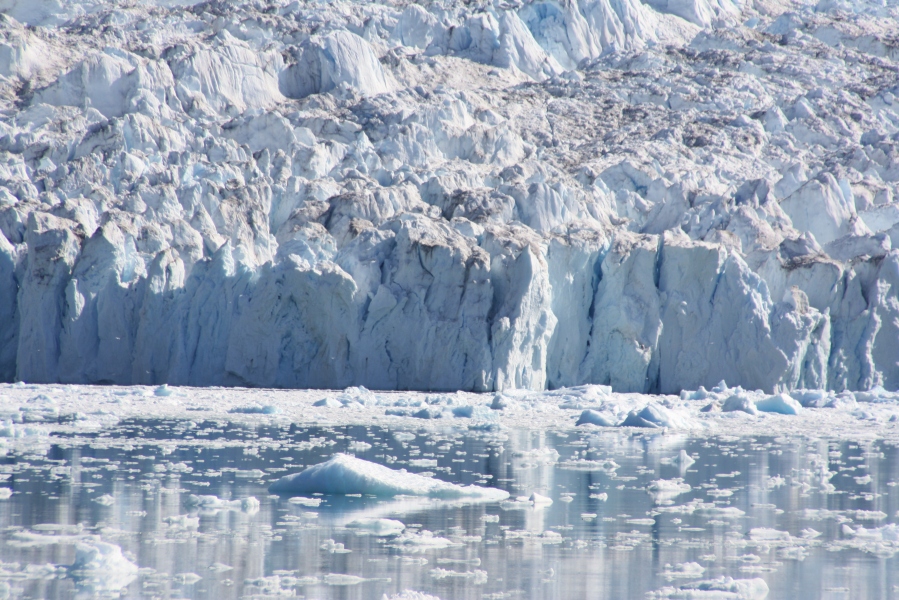
Given the heated times we live in, (in all the senses of the word) it was highly unlikely that this year's State of the Cryosphere Report would bring good news about the impacts of climate warming on our frozen regions. Global ice loss is not letting up any time soon. On the contrary. Ten years after the signing of the Paris Agreement, ice and snow loss is accelerating. If anything should convince the delegates attending COP30 in Brazil of the need for ambitious and urgent action, this latest assessment of the state of our frozen regions should. This is not just about ice and snow. As the Report's title says: Ice Loss = Global Damage.

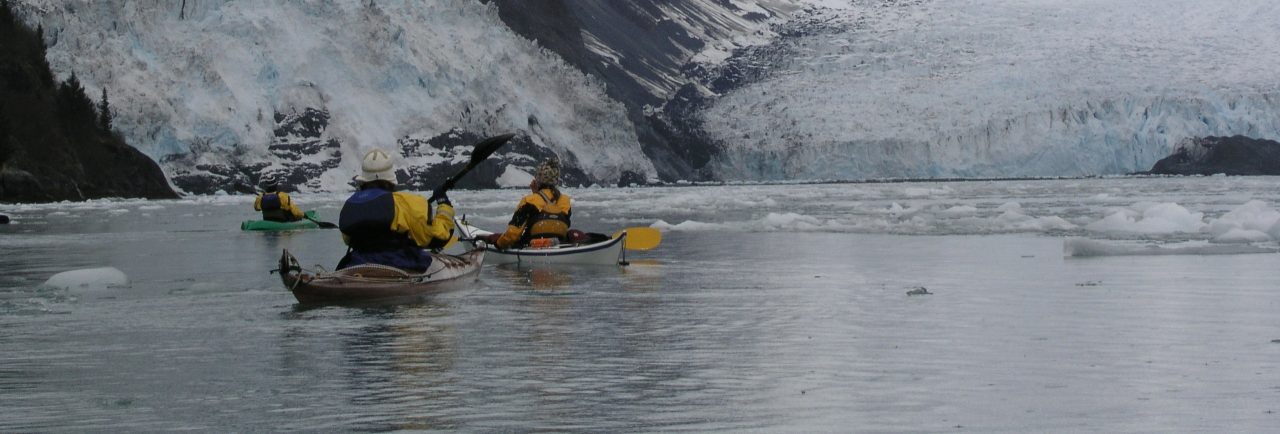
The shocking images of a glacier breaking off and covering a village in the Swiss alps highlights the urgent need to cut greenhouse gas emissions to minimize ice loss. As the first ever UN conference on glaciers opens in Dushanbe, Tajikistan, a new scientific study shows glaciers are even more sensitive to global warming than we thought.

I went to Dubai for the UN Climate Conference COP28 with mixed feelings. On the one hand, the controversy over the location and the President, head of a giant fossil fuel concern, made me somewhat sceptical. On the other, I was driven by the awareness that this was a kind of last chance, with the …

There has never been a more pressing need for the world to unite and take urgent, radical action to halt emissions, to avoid further changes to the frozen parts of the Earth with catastrophic consequences for people all round the globe.
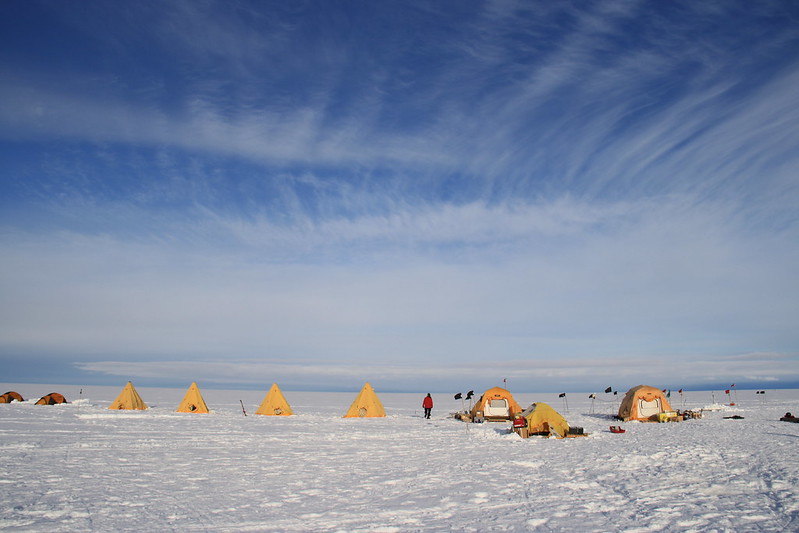
Climate change is impacting the frozen regions of our planet faster and more seriously than expected. The naming of two ice scientists as amongst the world's most influential people shows growing recognition of the key role played by the cryosphere and the urgent need to reduce greenhouse gas emissions to protect it.

