Geopolitical posturing and resource-grabbing: Trump is distracting from the real Greenland problem, as climate warming melts the ice, raising sea levels and disrupting ocean currents and weather patterns across the globe.
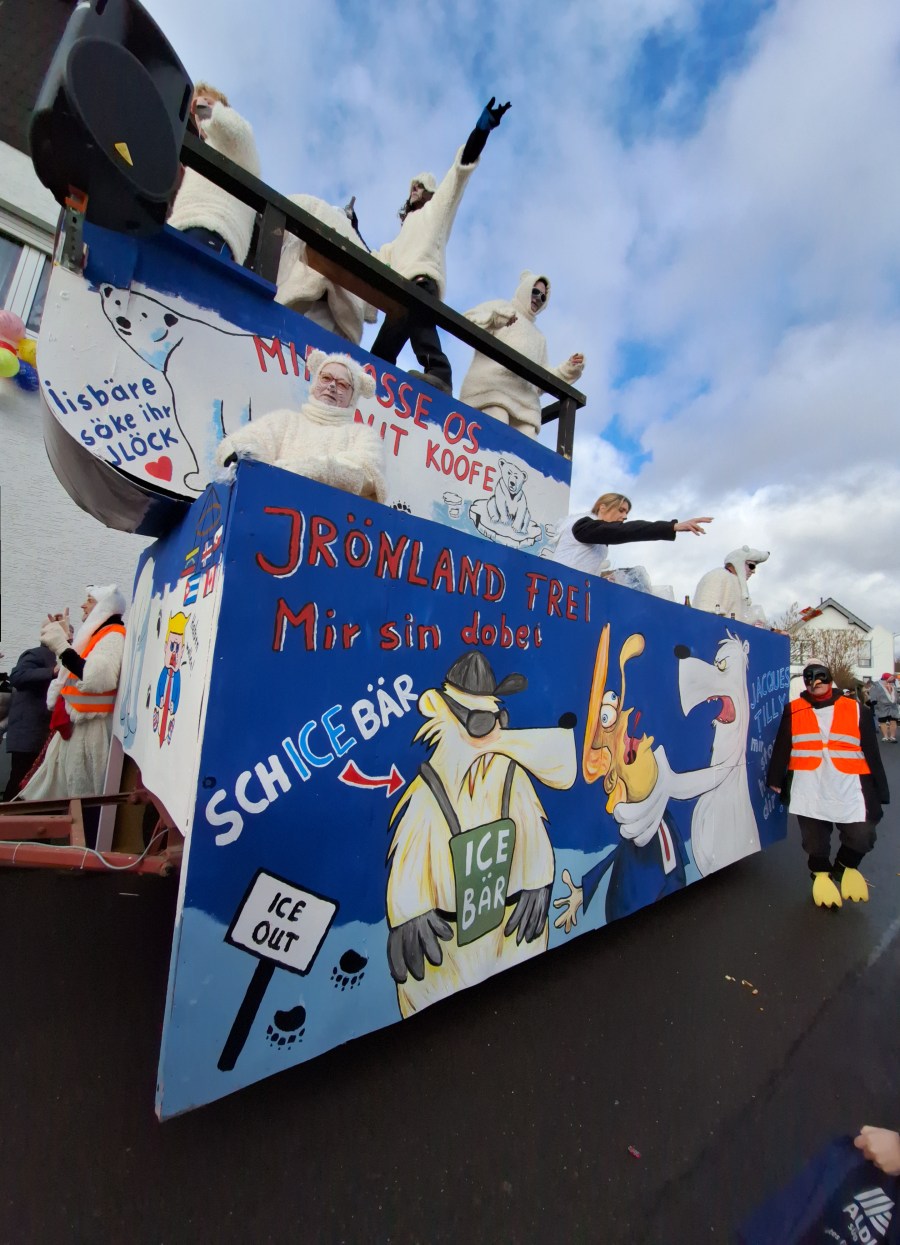
Geopolitical posturing and resource-grabbing: Trump is distracting from the real Greenland problem, as climate warming melts the ice, raising sea levels and disrupting ocean currents and weather patterns across the globe.
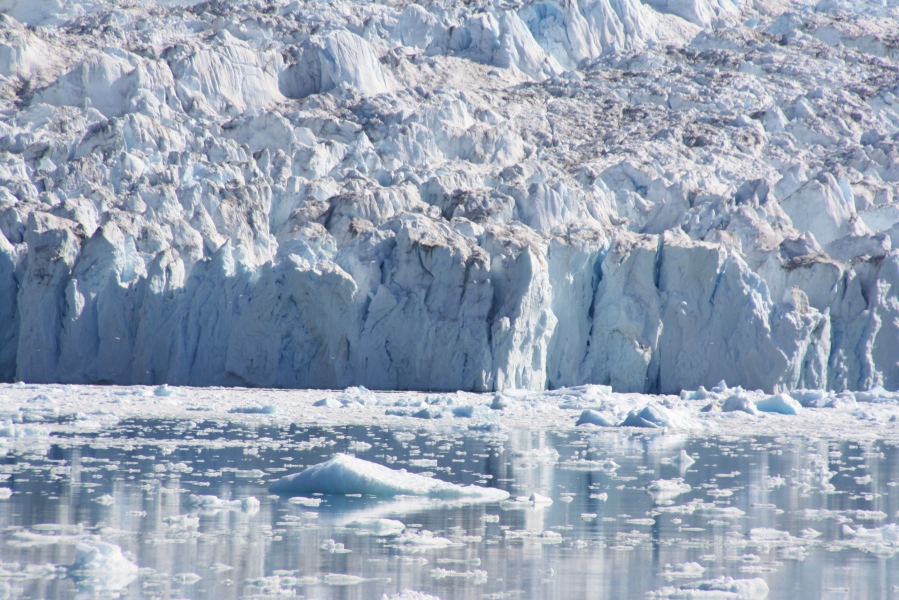
Given the heated times we live in, (in all the senses of the word) it was highly unlikely that this year's State of the Cryosphere Report would bring good news about the impacts of climate warming on our frozen regions. Global ice loss is not letting up any time soon. On the contrary. Ten years after the signing of the Paris Agreement, ice and snow loss is accelerating. If anything should convince the delegates attending COP30 in Brazil of the need for ambitious and urgent action, this latest assessment of the state of our frozen regions should. This is not just about ice and snow. As the Report's title says: Ice Loss = Global Damage.
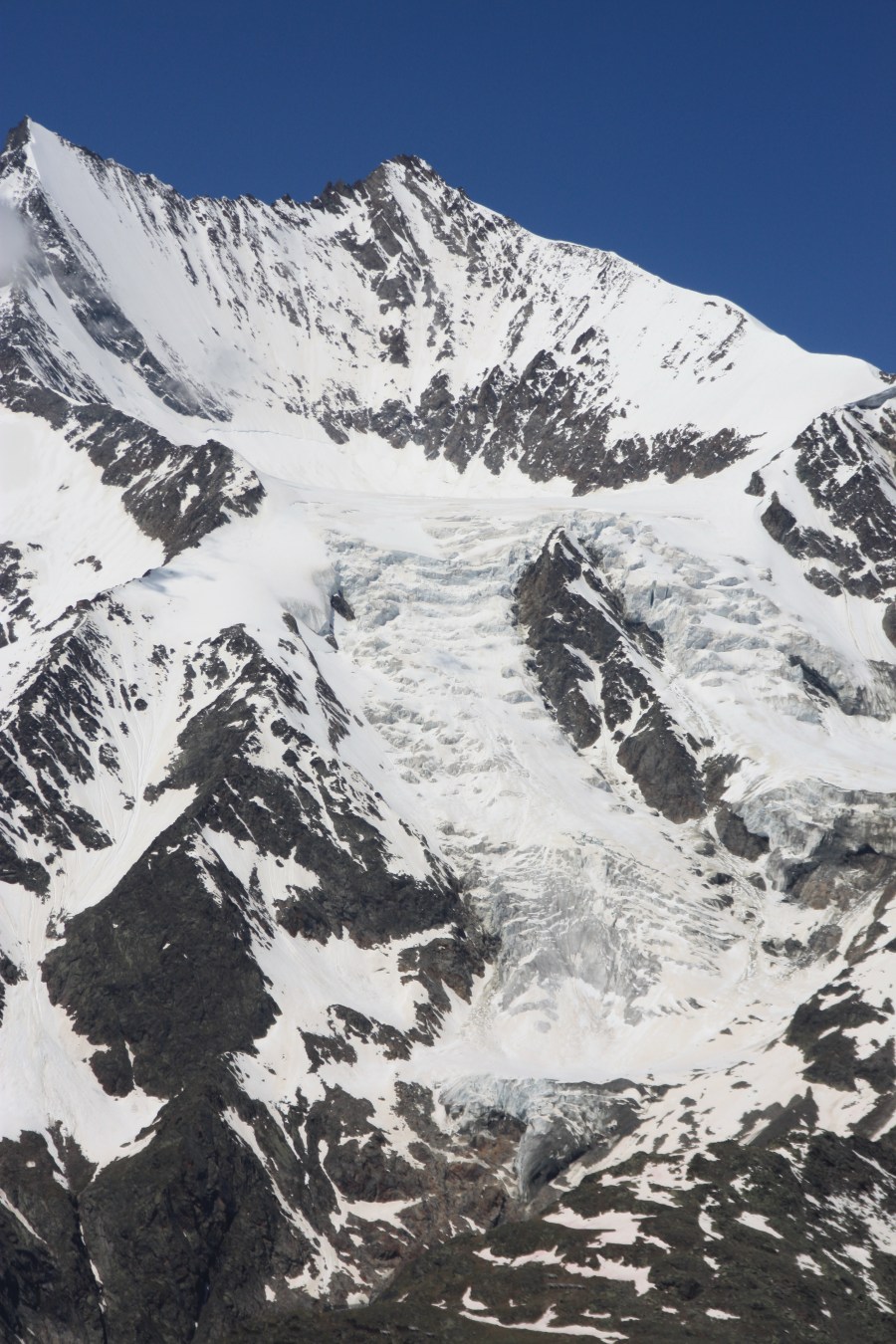
Accelerating ice melt from glaciers worldwide means an increased loss of freshwater resources, ever-faster sea level rise and life-threatening floods and landslides. In some regions, ice loss is already overtaking scientists’ worst-case climate scenarios. Only urgent emissions cuts can make a difference. The first time I ever saw and walked upon a glacier was in …
Continue reading First UN World Day for Glaciers – A call to climate action in desperate times

Trump leaves Paris (Agreement) and sets his sights on Greenland – China and Russia flex muscles in the Arctic, as climate warming transforms the icy north. Business boom or global climate catastrophe?

As we head into COP29 in oil-and-gas-rich Azerbaijan with the UN warning we are on course for up to 3°C of temperature rise, climate scientists are urging governments to focus on cryosphere. The frozen regions of our planet are warming several times faster than the global average. If the nations of the world cannot agree on measures to hold global warming to a maximum of 1.5°C, the experts warn of potentially devastating and irreversible impacts from cryosphere melt, not just for the icy north, but for the whole planet.
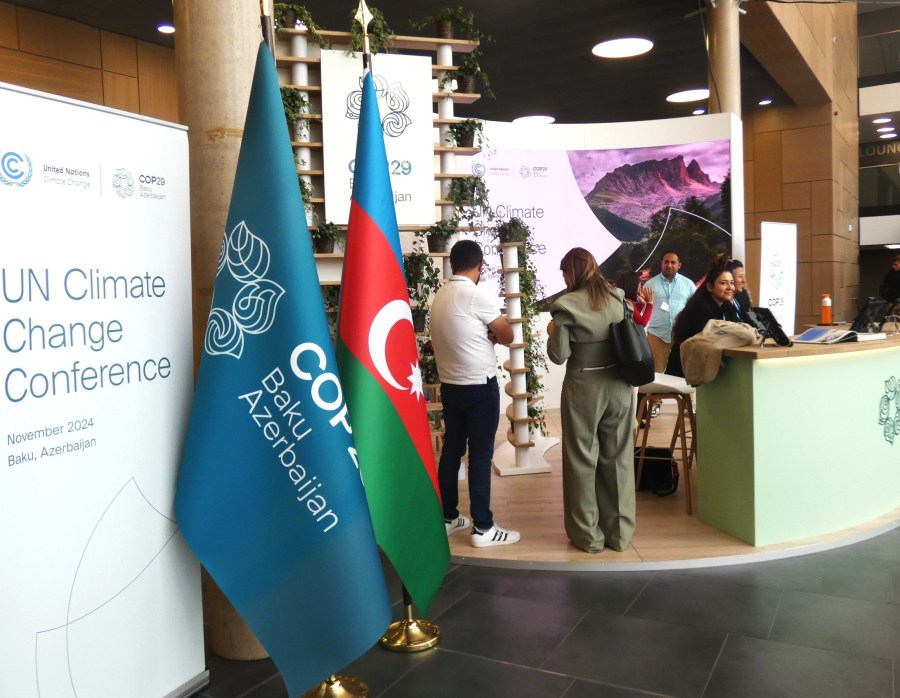
With record-breaking heat, unprecedented ice melt and widespread wildfires destroying the Arctic as we know it, eyes turn to the next UN climate conference in distant Azerbaijan. Can the world agree on urgent emissions cuts and climate justice in an authoritarian-ruled petrostate?

I went to Dubai for the UN Climate Conference COP28 with mixed feelings. On the one hand, the controversy over the location and the President, head of a giant fossil fuel concern, made me somewhat sceptical. On the other, I was driven by the awareness that this was a kind of last chance, with the …

There has never been a more pressing need for the world to unite and take urgent, radical action to halt emissions, to avoid further changes to the frozen parts of the Earth with catastrophic consequences for people all round the globe.

As temperatures spike, forests burn, oceans warm, ice melts in the Arctic, Antarctic and on the world's highest mountains, negotiators at the UN climate talks in Bonn, Germany are wrangling over documents to prepare for COP28 in oil-land Dubai at the end of the year. That meeting will tackle the "Global Stocktake" of climate efforts - and shortcomings.

My expectations for COP26 were not high. What we needed to come out of it was huge. But at the latest when the G20 leaders meeting in Rome ahead of the Glasgow conference failed to agree on a commitment to achieve net zero carbon emissions by 2050, it was looking highly unlikely that we would …
Continue reading Glasgow outcome: a COP-out for the Arctic – and the rest of the planet
 The Ice Blog