There has never been a more pressing need for the world to unite and take urgent, radical action to halt emissions, to avoid further changes to the frozen parts of the Earth with catastrophic consequences for people all round the globe.

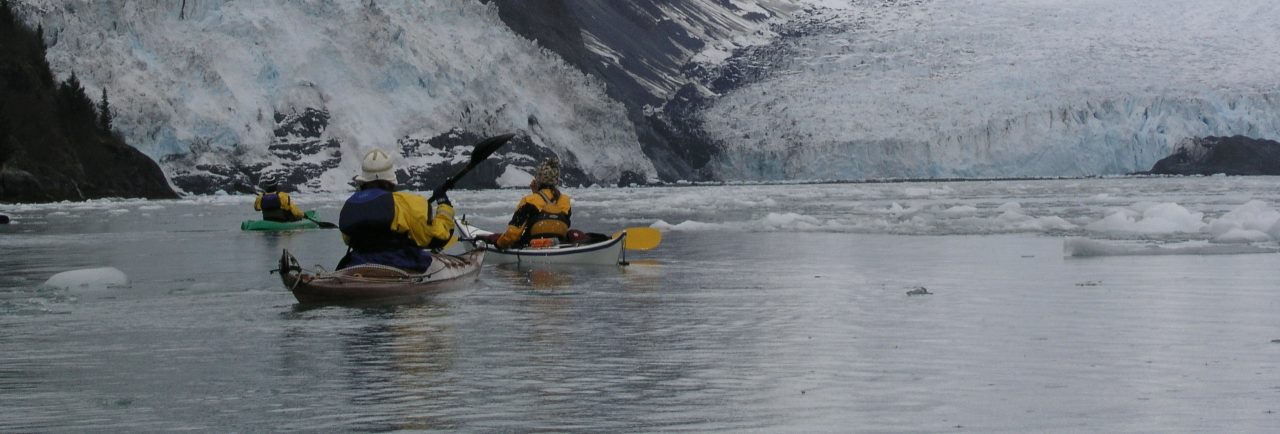
There has never been a more pressing need for the world to unite and take urgent, radical action to halt emissions, to avoid further changes to the frozen parts of the Earth with catastrophic consequences for people all round the globe.
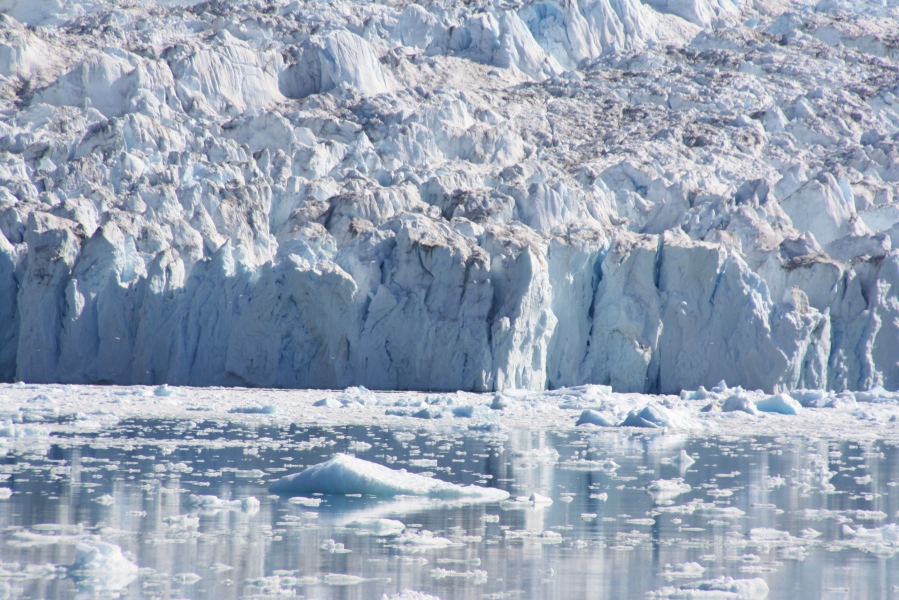
“It's too late to stop Antarctic ice melt.” But “the Greenland ice sheet might be more resistant to warming than we thought”, according to various recent studies. So should we stop worrying? Or give up on climate action? As we speed towards this year's UN Climate Conference COP28, to be held in – of all places - oil-rich Dubai, while wars in the Middle East and in Ukraine are distracting attention from the planet-threatening climate crisis, what we need is not complacency or resignation but a heightened sense of urgency.

As temperatures spike, forests burn, oceans warm, ice melts in the Arctic, Antarctic and on the world's highest mountains, negotiators at the UN climate talks in Bonn, Germany are wrangling over documents to prepare for COP28 in oil-land Dubai at the end of the year. That meeting will tackle the "Global Stocktake" of climate efforts - and shortcomings.
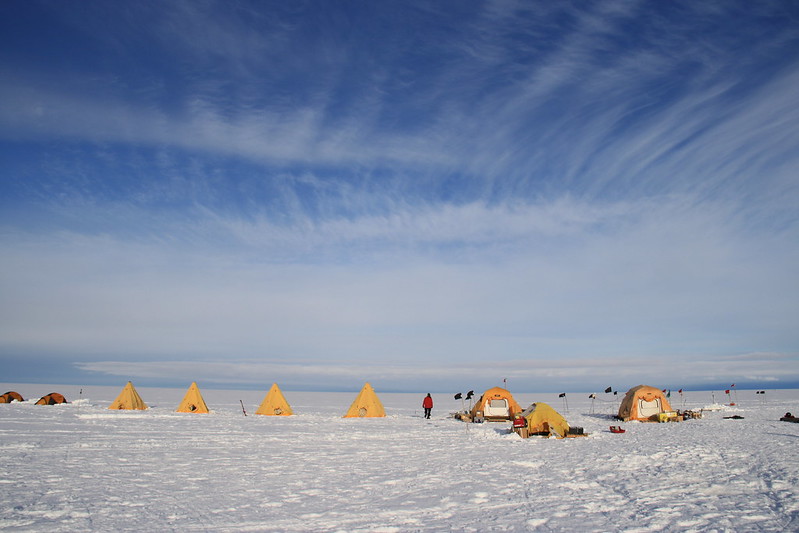
Climate change is impacting the frozen regions of our planet faster and more seriously than expected. The naming of two ice scientists as amongst the world's most influential people shows growing recognition of the key role played by the cryosphere and the urgent need to reduce greenhouse gas emissions to protect it.
It's now one year since Russia invaded Ukraine. There’s no sign of any end to the conflict. And we are not looking at a regional dispute. This war has become a major clash between systems, with repercussions for the whole planet. Putin’s invasion has plunged us into a time of multiple crises – war, an …
Continue reading Earth’s temperature rises as geopolitical climate cools
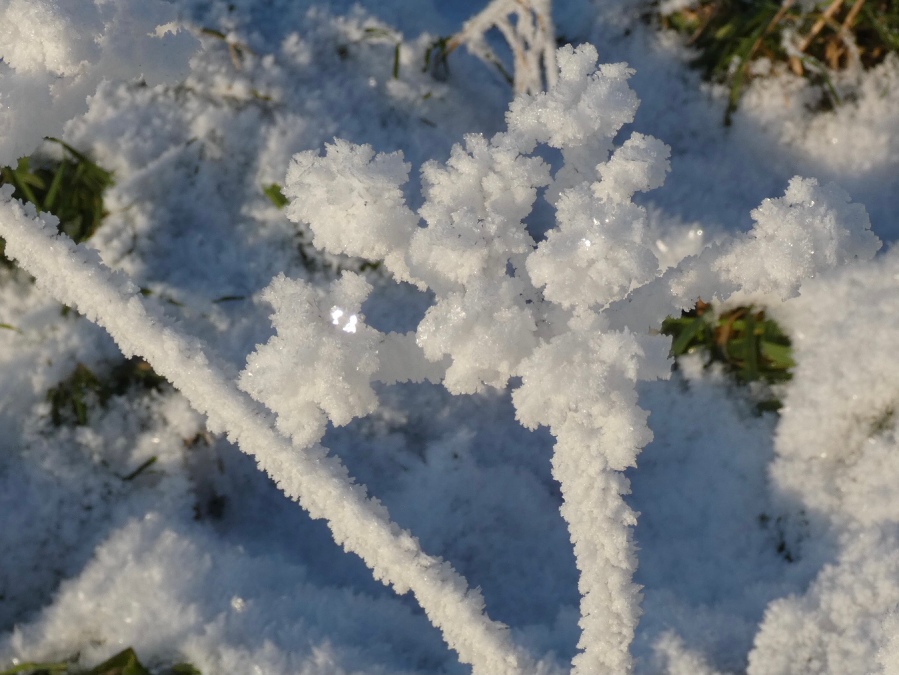
The Arctic and the rest of the planet are heating up rapidly. Emissions are at a record high and fossil fuels in demand against the background of the energy crisis through Russia's war on Ukraine. Can 2023 bring a decisive shift in climate action?

2022 has seen exceptional warmth and ice melt in the Arctic, with consequences for the whole planet. But against the background of Russia's war on Ukraine, climate action has stalled. It's high time to cut emissions and speed up the energy transition.

Rarely have I heard the Arctic being mentioned so often in the media as in this hottest of summers. I wish the reason was a good one. Alas. The warming Arctic plays a key role in the development of the heat-waves currently disrupting life and livelihoods around the globe.
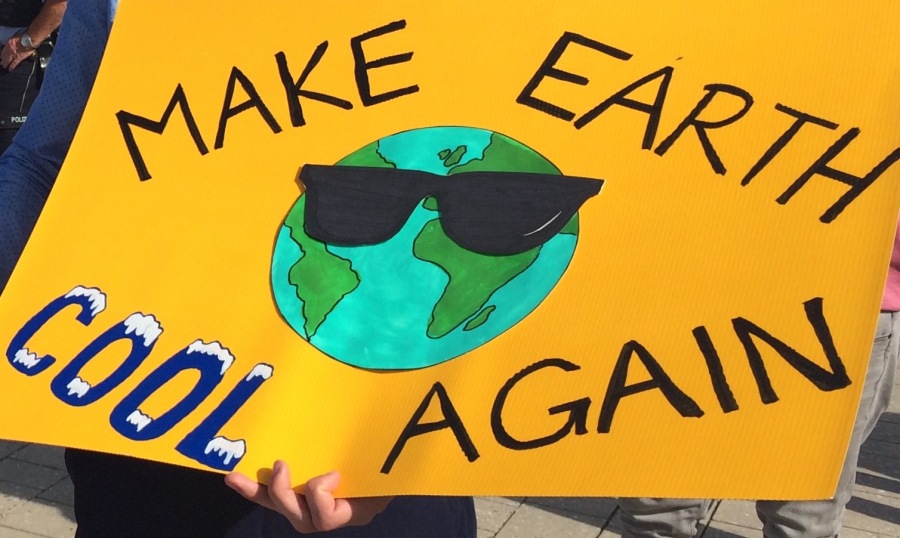
UN negotiators are discussing measures to tackle climate change in the German city of Bonn. Meanwhile, the Arctic has seen its first heatwave of the year and the Russian war on Ukraine appears to have sparked a fossil fuel revival.
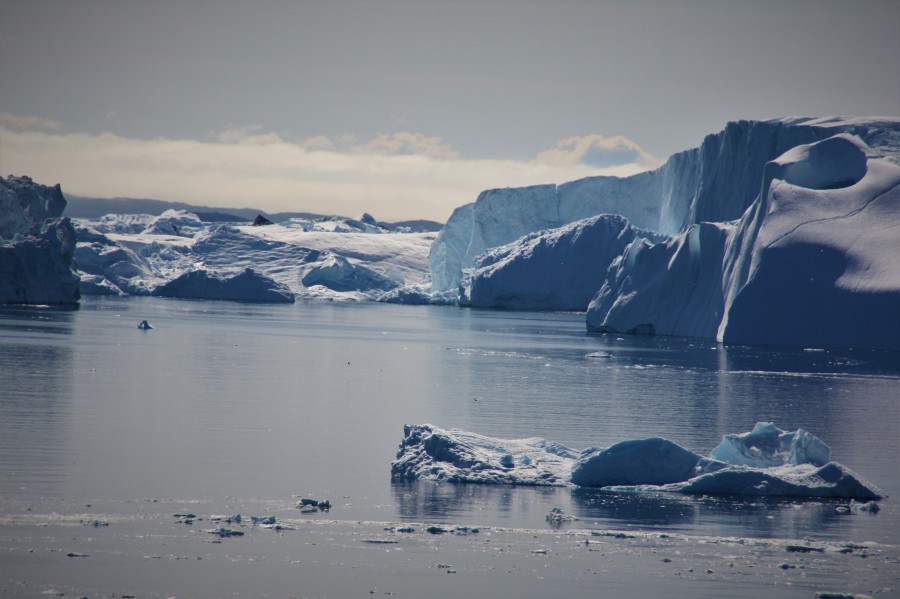
At the end of a year of fires, floods and other climate catastrophes, is the world coming to its senses? Or are we burning on regardless?
 The Ice Blog