The Arctic and the rest of the planet are heating up rapidly. Emissions are at a record high and fossil fuels in demand against the background of the energy crisis through Russia's war on Ukraine. Can 2023 bring a decisive shift in climate action?
The Arctic and the rest of the planet are heating up rapidly. Emissions are at a record high and fossil fuels in demand against the background of the energy crisis through Russia's war on Ukraine. Can 2023 bring a decisive shift in climate action?

Rarely have I heard the Arctic being mentioned so often in the media as in this hottest of summers. I wish the reason was a good one. Alas. The warming Arctic plays a key role in the development of the heat-waves currently disrupting life and livelihoods around the globe.
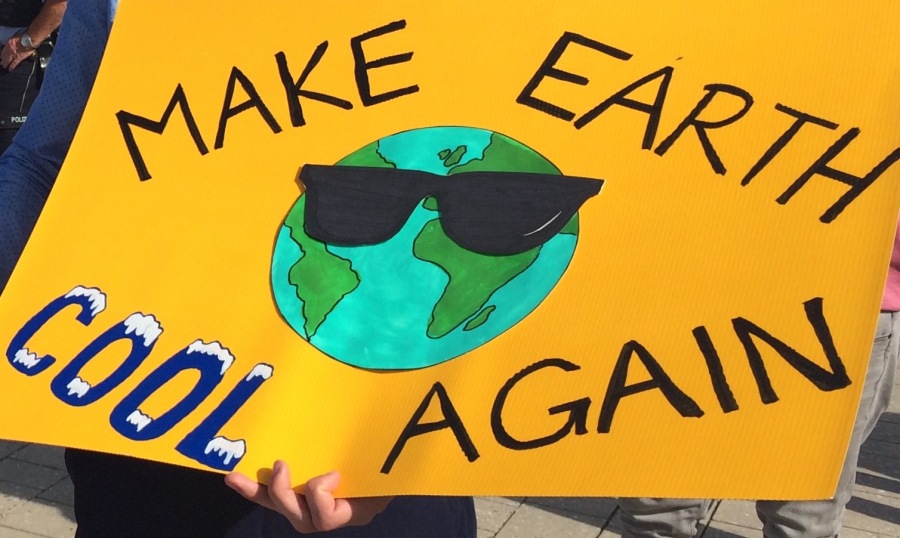
UN negotiators are discussing measures to tackle climate change in the German city of Bonn. Meanwhile, the Arctic has seen its first heatwave of the year and the Russian war on Ukraine appears to have sparked a fossil fuel revival.
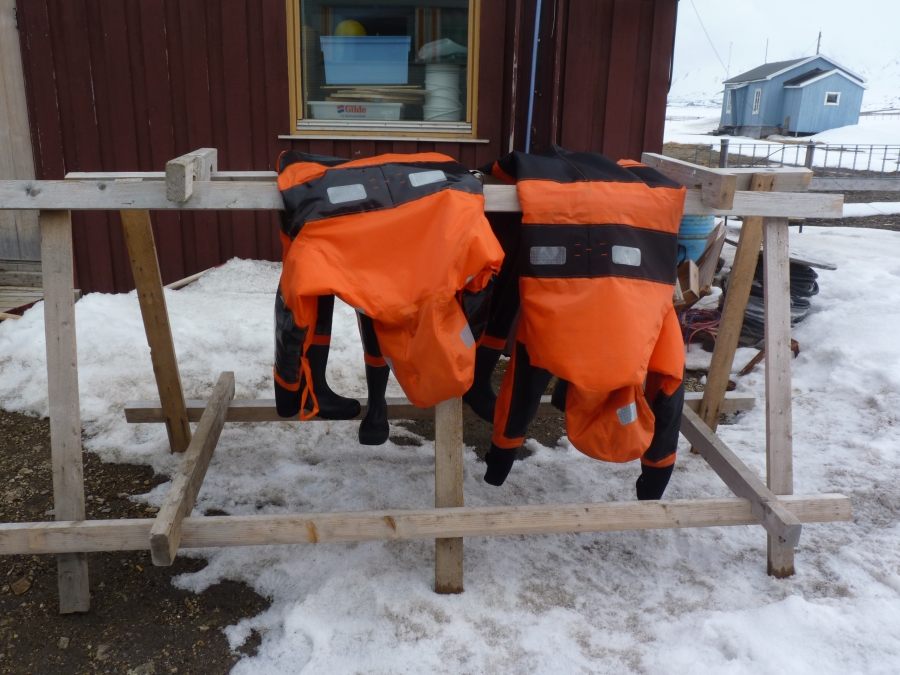
Durham University just hosted the UK Arctic Science Conference 2022. Interesting times, in the shadow of the Russia-Ukraine invasion and troubled relations between Moscow and the West. Still, international collaboration to research the changing Arctic is key.
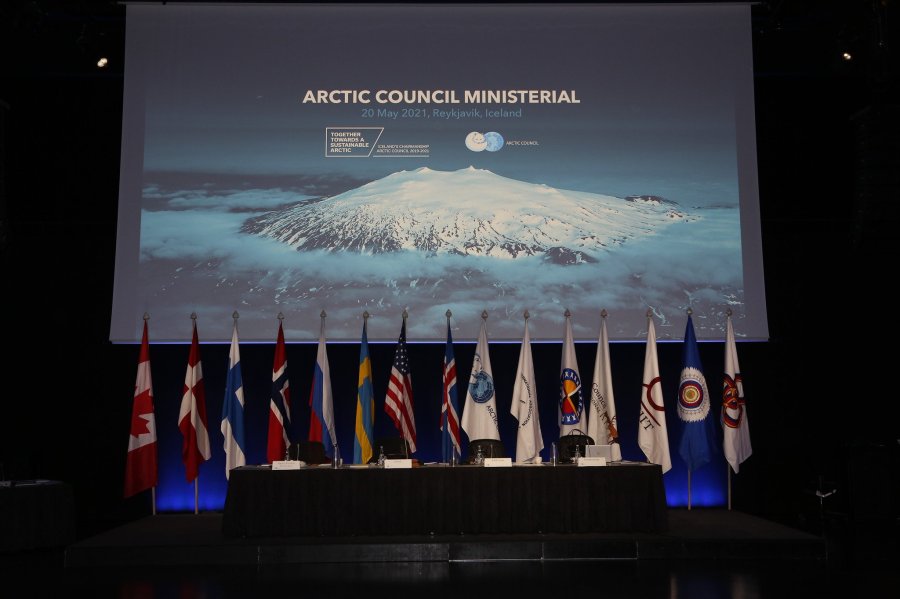
Students in the Scottish coastal town of Oban are staging the country's first Model Arctic Council. The pro-independence government is keen to extend links with its northern neighbours. It's an interesting time to hold SCOTMAC, when the Arctic Council's work has been paused over Russia's invasion of Ukraine.
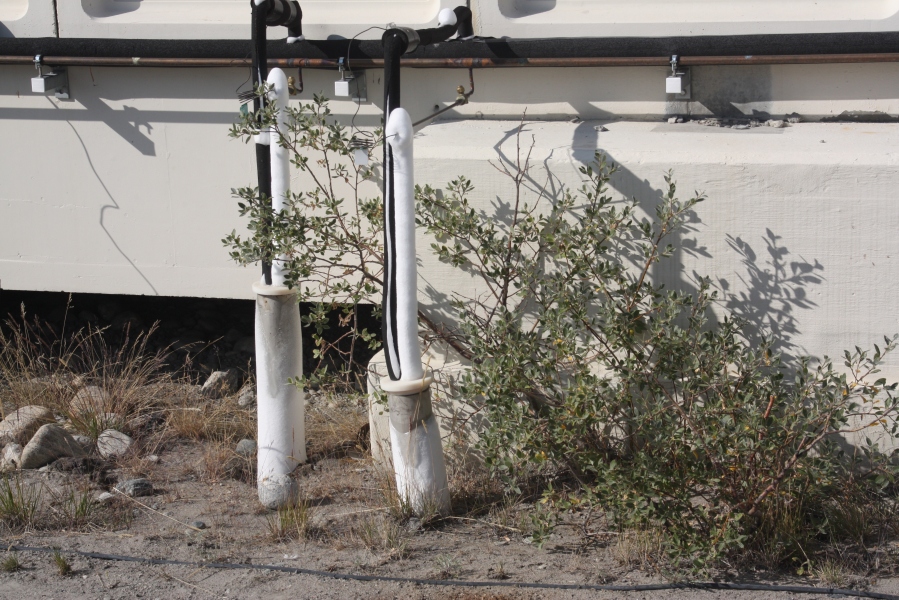
Arctic permafrost is thawing, threatening northern communities and speeding up the climate change that is thawing it in the first place. Only rapid and substantial cuts in greenhouse gas emissions can help avert catastrophe.
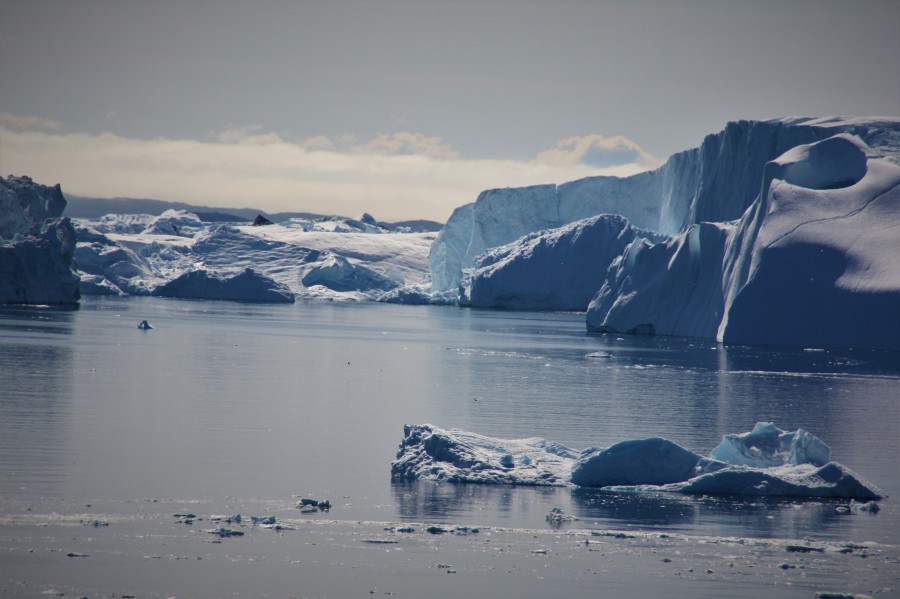
At the end of a year of fires, floods and other climate catastrophes, is the world coming to its senses? Or are we burning on regardless?
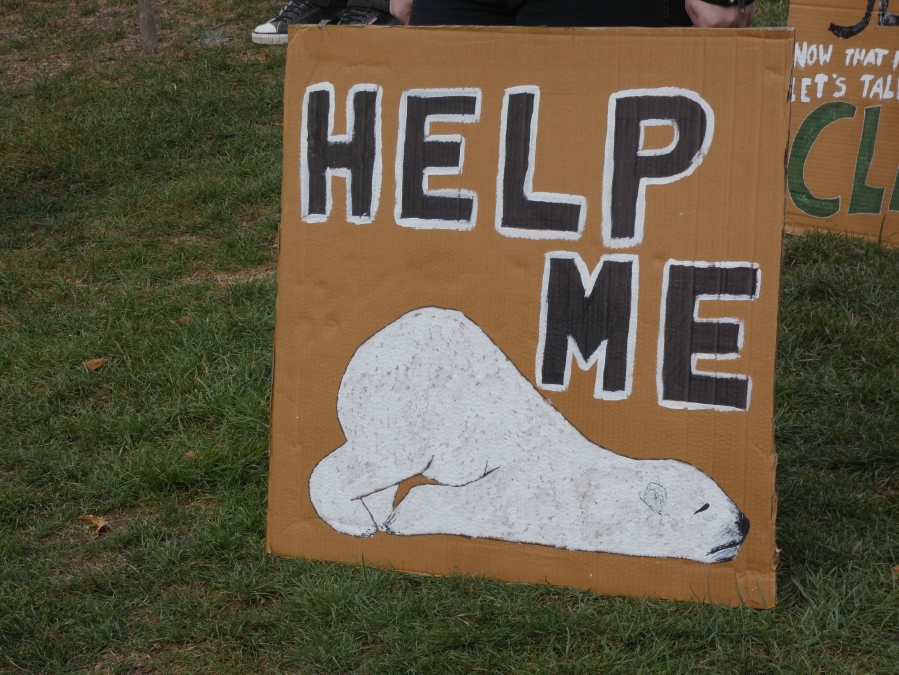
My expectations for COP26 were not high. What we needed to come out of it was huge. But at the latest when the G20 leaders meeting in Rome ahead of the Glasgow conference failed to agree on a commitment to achieve net zero carbon emissions by 2050, it was looking highly unlikely that we would …
Continue reading Glasgow outcome: a COP-out for the Arctic – and the rest of the planet
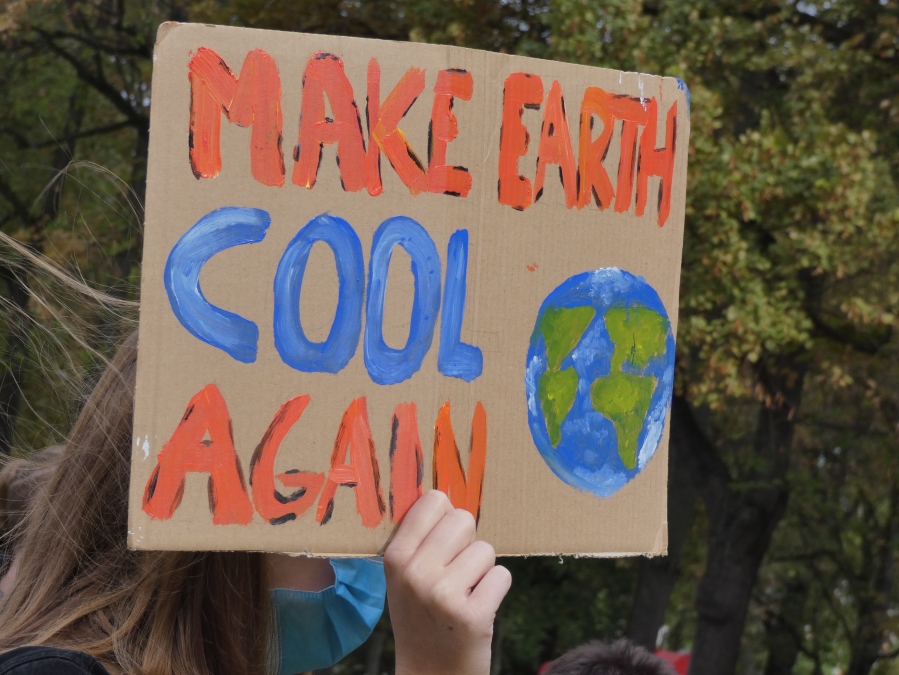
The situation for planet earth was looking bleak. There was more of those dangerous heat-trapping gases in the atmosphere than ever before (and the records could go back way beyond the bounds of human history, looking into the earth, the oceans and the ice.) The planet had become a hothouse. The ice at the poles …
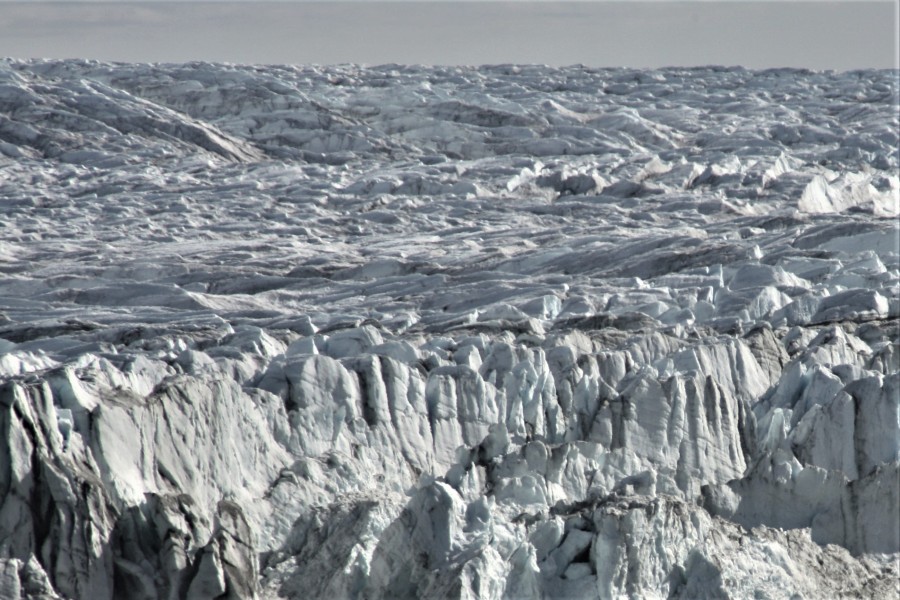
Rain has fallen on the highest point of Greenland's ice sheet for the first time ever. The world's climate experts have given their starkest forecast for the future of the climate. Net zero by 2050 will not be enough to stabilize it. Without negative emissions, catastrophic impacts cannot be avoided.

