Geopolitical posturing and resource-grabbing: Trump is distracting from the real Greenland problem, as climate warming melts the ice, raising sea levels and disrupting ocean currents and weather patterns across the globe.
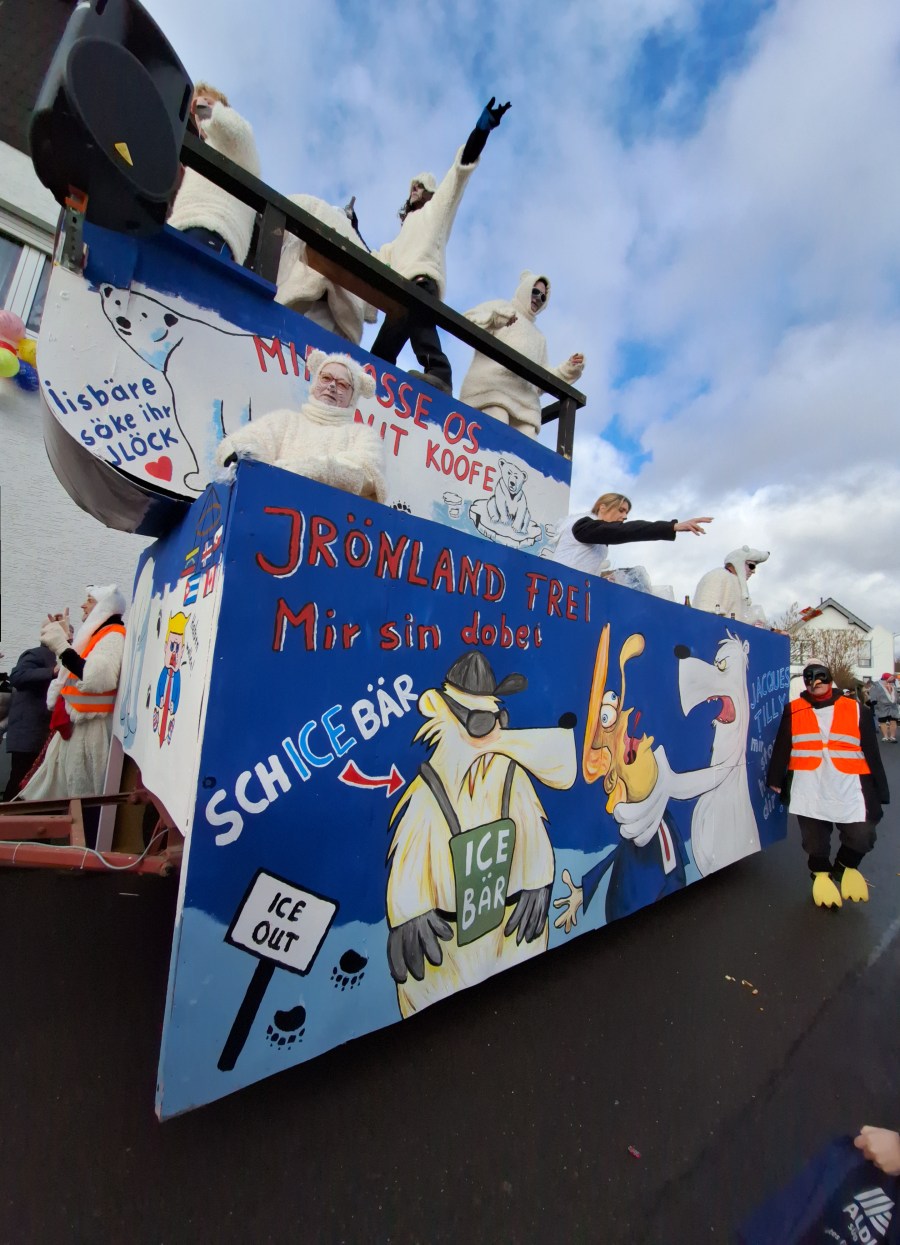
Geopolitical posturing and resource-grabbing: Trump is distracting from the real Greenland problem, as climate warming melts the ice, raising sea levels and disrupting ocean currents and weather patterns across the globe.
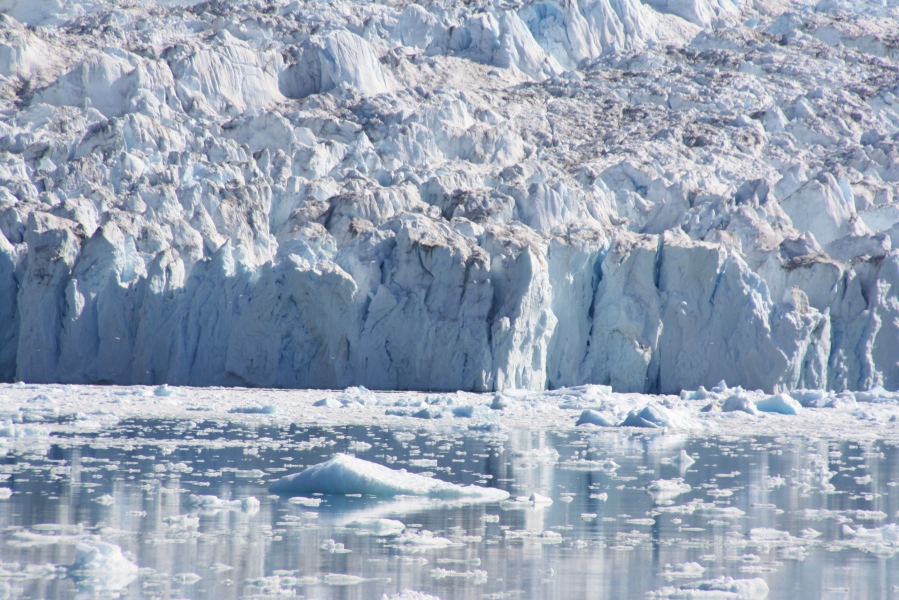
Given the heated times we live in, (in all the senses of the word) it was highly unlikely that this year's State of the Cryosphere Report would bring good news about the impacts of climate warming on our frozen regions. Global ice loss is not letting up any time soon. On the contrary. Ten years after the signing of the Paris Agreement, ice and snow loss is accelerating. If anything should convince the delegates attending COP30 in Brazil of the need for ambitious and urgent action, this latest assessment of the state of our frozen regions should. This is not just about ice and snow. As the Report's title says: Ice Loss = Global Damage.

Whether you look at science or news reports of weather extremes across the globe, there can be no doubt climate warming is already playing havoc with our livels. So why is the willingness to do something about it decreasing? How can we bridge the huge gap between the threat we face from climate change and the lack of action to respond?

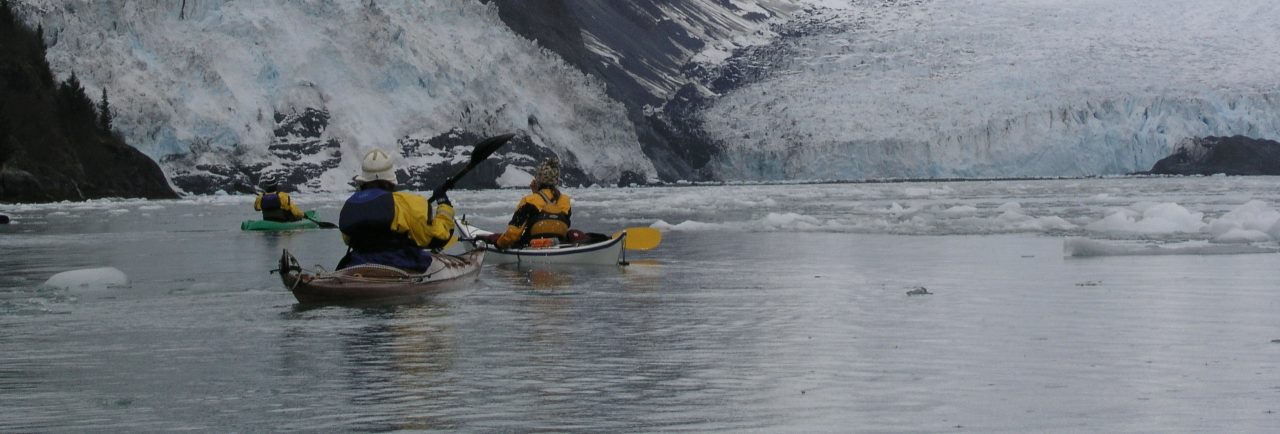
Trump leaves Paris (Agreement) and sets his sights on Greenland – China and Russia flex muscles in the Arctic, as climate warming transforms the icy north. Business boom or global climate catastrophe?
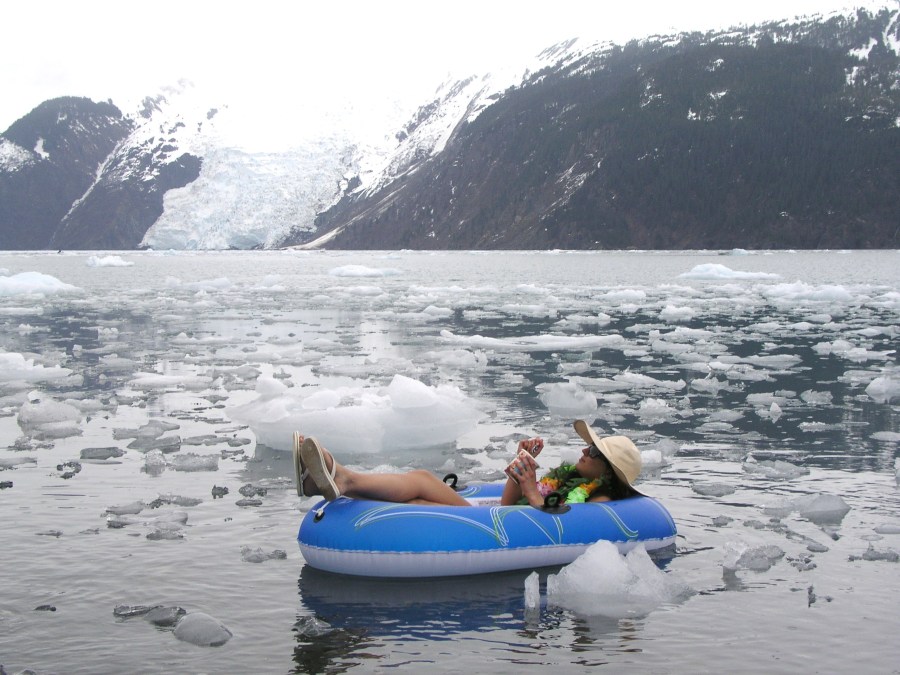
Six months after the last underwhelming UN climate conference COP28 in oil-rich Dubai, negotiators at the UN's climate headquarters in Bonn, Germany, have been trying to smooth the path to the next COP to be held in Baku, Azerbaijan in November. Another mega-gathering in another fossil-fuel capital - is there any hope of action to protect the world's rapidly melting ice and snow and avert the catastrophic consequences for the rest of the globe?
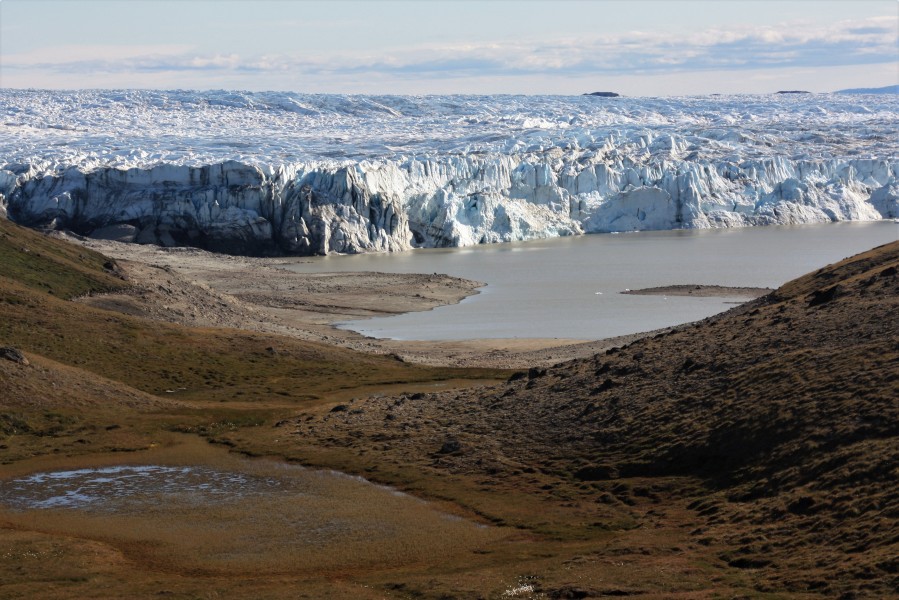
Greenland melt, ocean heatwaves, AMOC slowing, polar bears starving - Arctic developments so far in 2024 might give you the Climate Blues. Is there light on the horizon?
“It's too late to stop Antarctic ice melt.” But “the Greenland ice sheet might be more resistant to warming than we thought”, according to various recent studies. So should we stop worrying? Or give up on climate action? As we speed towards this year's UN Climate Conference COP28, to be held in – of all places - oil-rich Dubai, while wars in the Middle East and in Ukraine are distracting attention from the planet-threatening climate crisis, what we need is not complacency or resignation but a heightened sense of urgency.

2022 has seen exceptional warmth and ice melt in the Arctic, with consequences for the whole planet. But against the background of Russia's war on Ukraine, climate action has stalled. It's high time to cut emissions and speed up the energy transition.
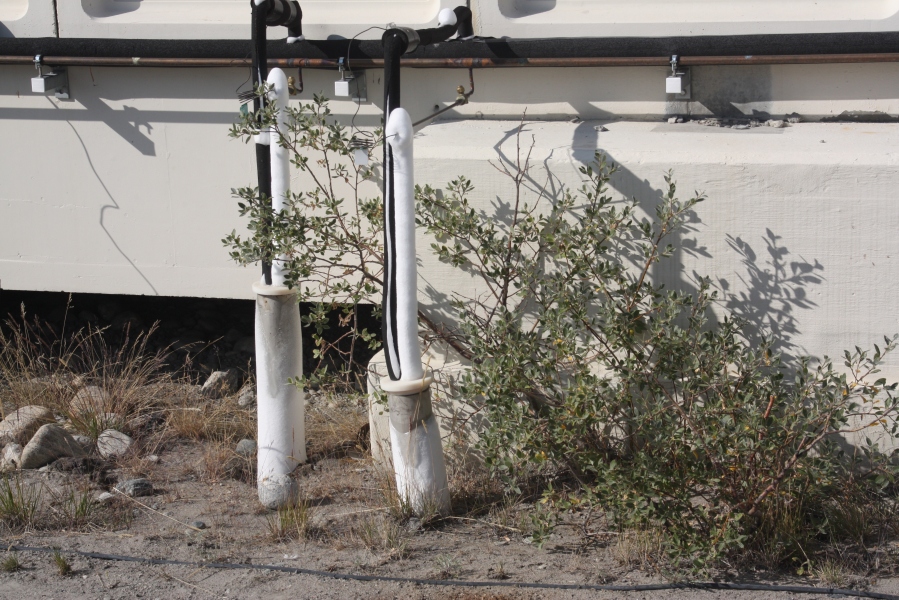
Arctic permafrost is thawing, threatening northern communities and speeding up the climate change that is thawing it in the first place. Only rapid and substantial cuts in greenhouse gas emissions can help avert catastrophe.
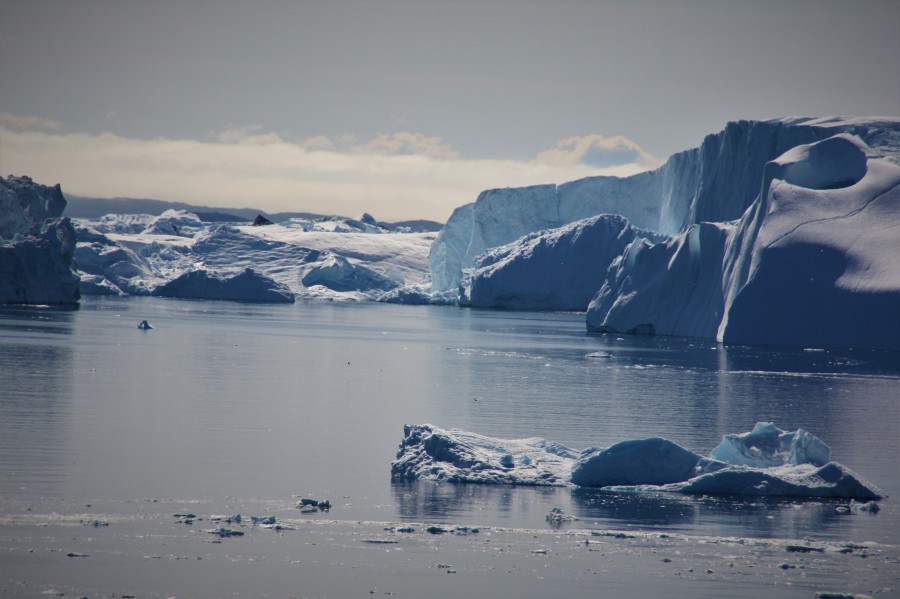
At the end of a year of fires, floods and other climate catastrophes, is the world coming to its senses? Or are we burning on regardless?
 The Ice Blog