The Arctic and the rest of the planet are heating up rapidly. Emissions are at a record high and fossil fuels in demand against the background of the energy crisis through Russia's war on Ukraine. Can 2023 bring a decisive shift in climate action?
The Arctic and the rest of the planet are heating up rapidly. Emissions are at a record high and fossil fuels in demand against the background of the energy crisis through Russia's war on Ukraine. Can 2023 bring a decisive shift in climate action?

2022 has seen exceptional warmth and ice melt in the Arctic, with consequences for the whole planet. But against the background of Russia's war on Ukraine, climate action has stalled. It's high time to cut emissions and speed up the energy transition.

Rarely have I heard the Arctic being mentioned so often in the media as in this hottest of summers. I wish the reason was a good one. Alas. The warming Arctic plays a key role in the development of the heat-waves currently disrupting life and livelihoods around the globe.
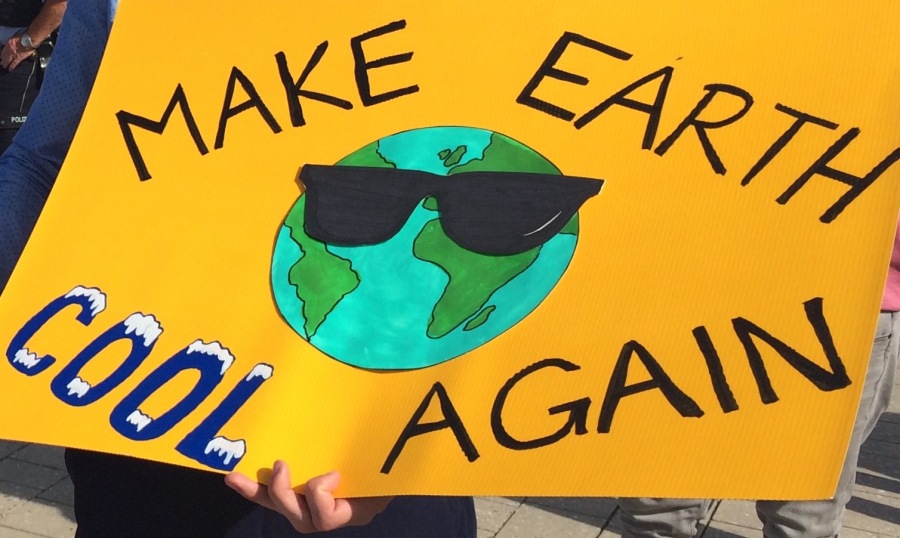
UN negotiators are discussing measures to tackle climate change in the German city of Bonn. Meanwhile, the Arctic has seen its first heatwave of the year and the Russian war on Ukraine appears to have sparked a fossil fuel revival.
Students in the Scottish coastal town of Oban are staging the country's first Model Arctic Council. The pro-independence government is keen to extend links with its northern neighbours. It's an interesting time to hold SCOTMAC, when the Arctic Council's work has been paused over Russia's invasion of Ukraine.
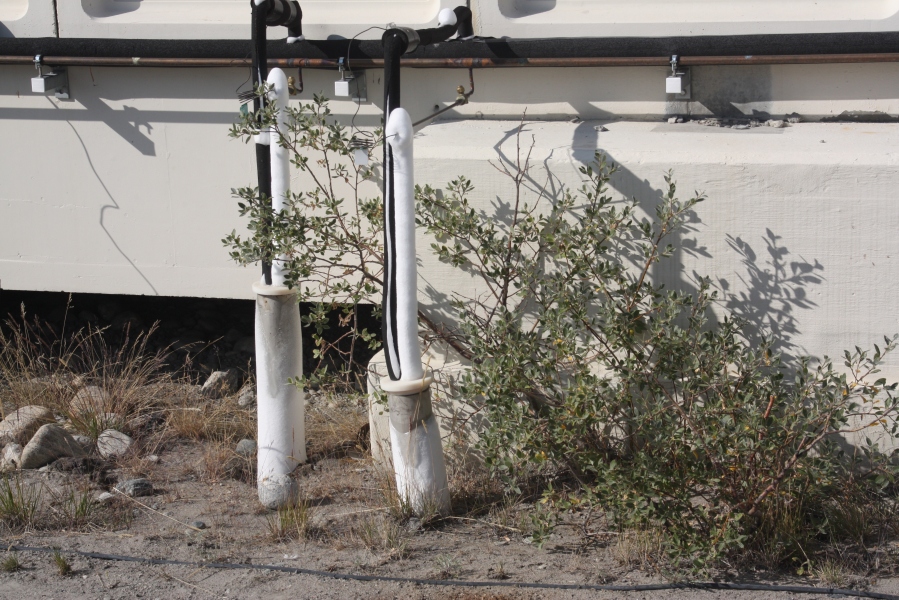
Arctic permafrost is thawing, threatening northern communities and speeding up the climate change that is thawing it in the first place. Only rapid and substantial cuts in greenhouse gas emissions can help avert catastrophe.
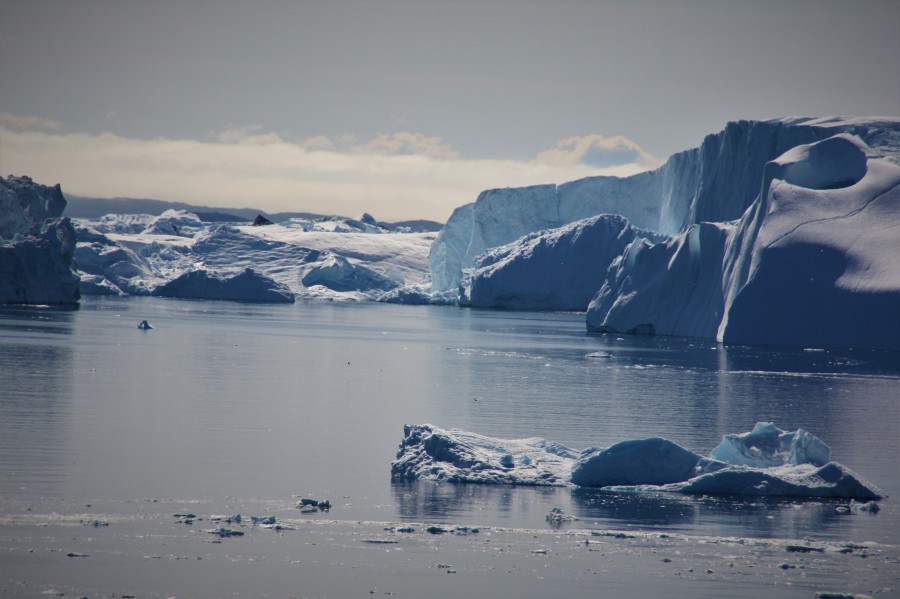
At the end of a year of fires, floods and other climate catastrophes, is the world coming to its senses? Or are we burning on regardless?
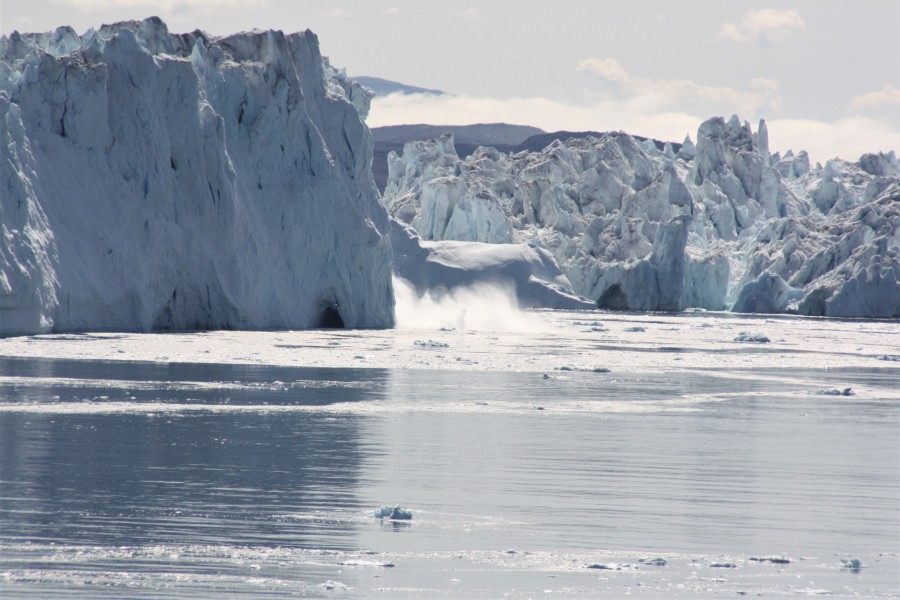
Top scientists working on the Greenland ice sheet and Arctic climate change issued an urgent message. The ice sheets in Greenland and Antarctica are melting faster than ever, with catastrophic implications for global sea level and the world's weather – and only rapid and substantial action can slow the pace.

I was working through my Twitter feed, fretting about the incredible temperatures in the high north and researching my next blog post. Could geoengineering be the way to cool the Arctic and the planet? Should it? And was the current hype about it not distracting too much attention from the need for immediate and drastic …
Continue reading Tipping points: can a leaked report tip the scales to climate action?
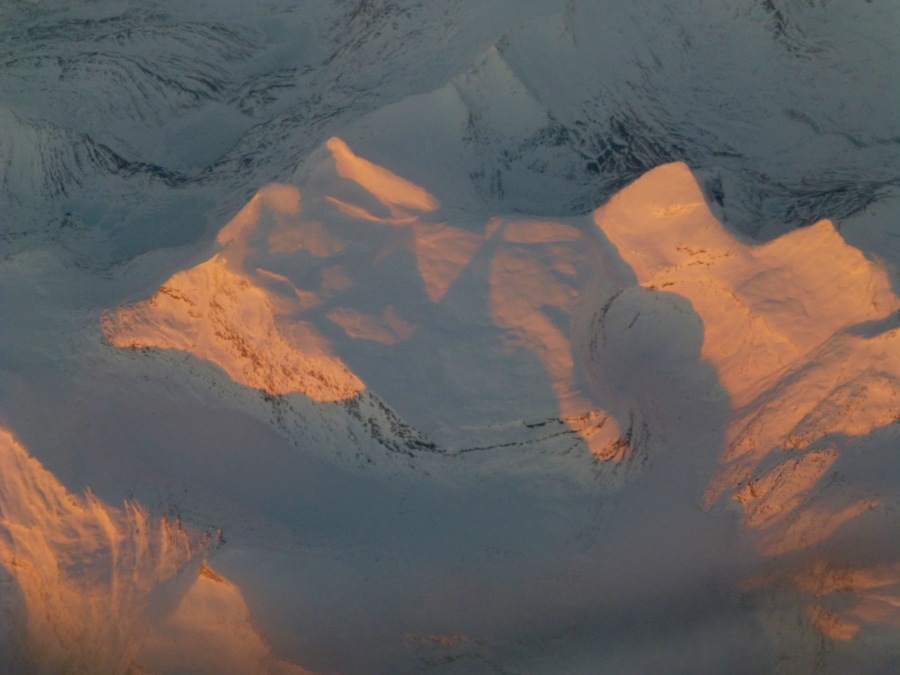
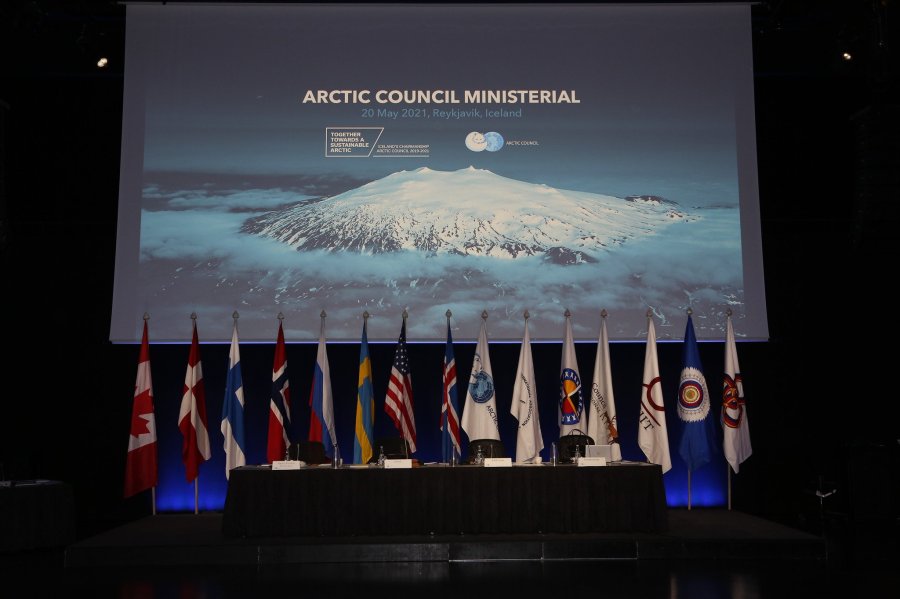
The bi-annual Ministerial Meeting of the Arctic Council in Reykjavik, Iceland, on May 20th attracted a lot of media interest – not least because the new US Secretary of State Antony Blinken was attending, alongside Russian foreign Minister Sergey Lavrov. This is one arena where the two rivals and Cold War adversaries come together as …
 The Ice Blog